Photo Essay

Studio 365: Day 290

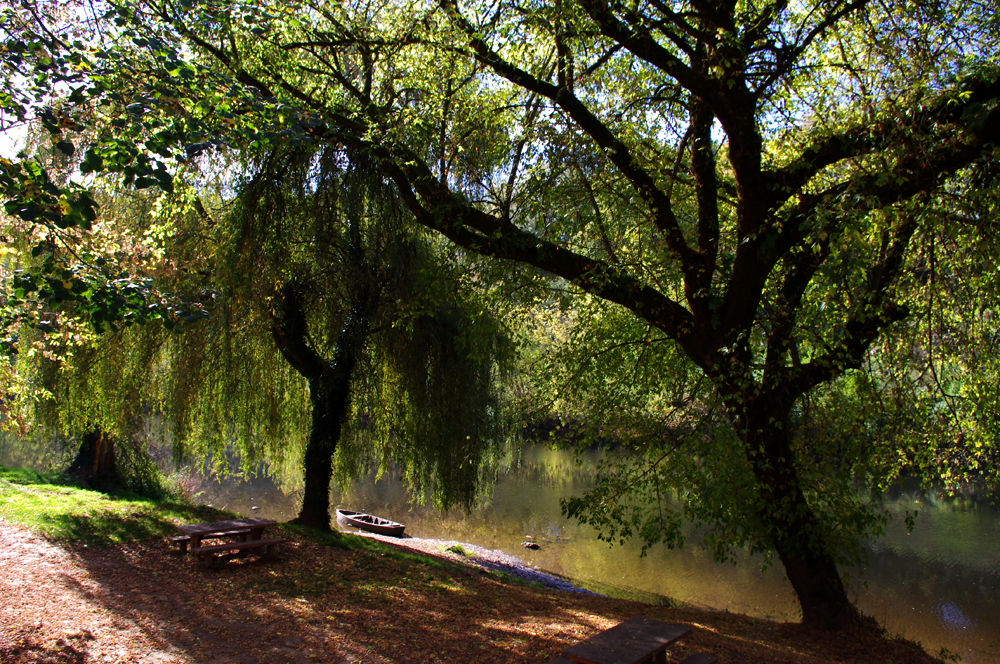
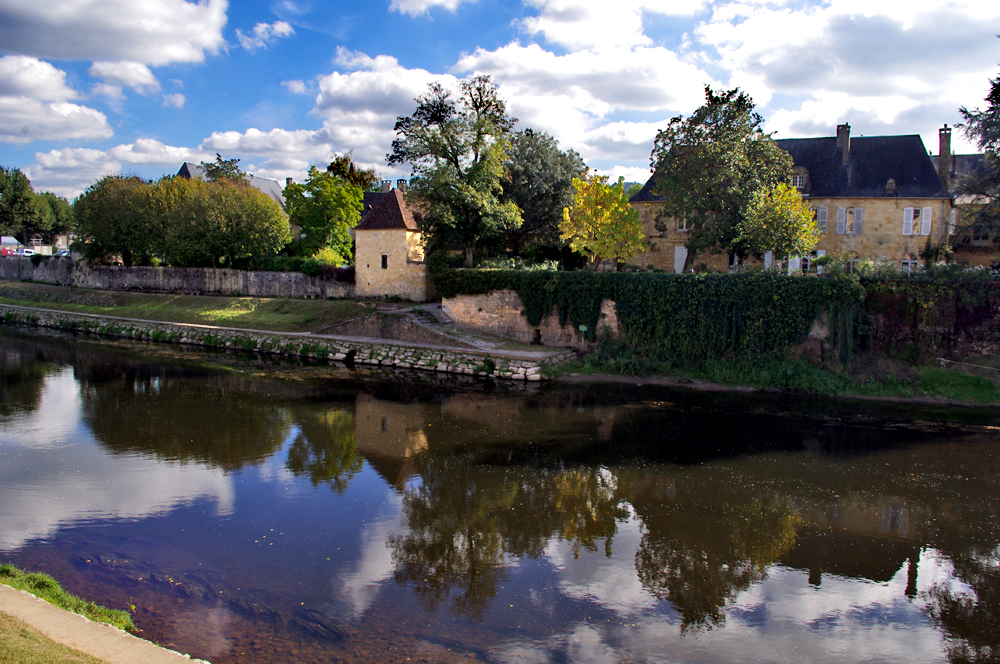
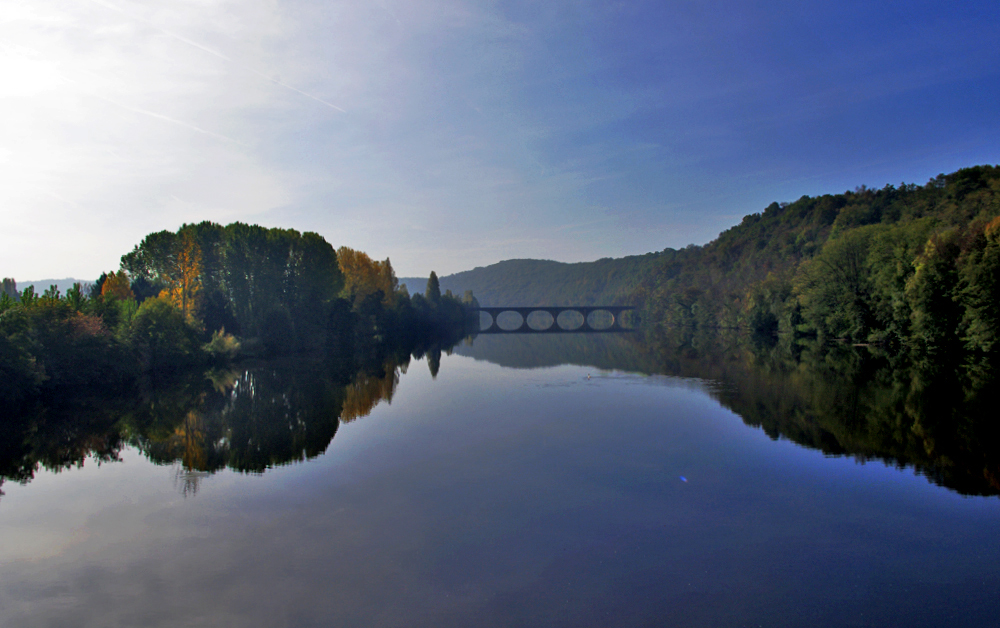
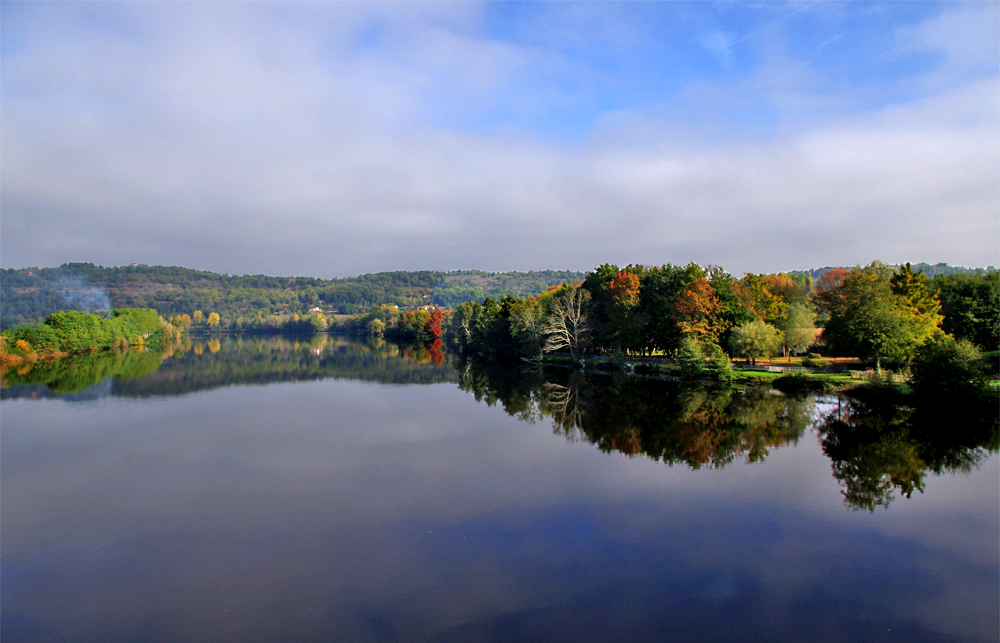
Today has been a day of reflection in which I saw a painting at every sparkling moment:

Day 290 ib

Trémolat I

Day 290 iib

Trémolat II

Day 290 iii

La Roque Saint-Christophe

Day 290 iv

St Léon sur Vézère

Day 290 v

Montignac

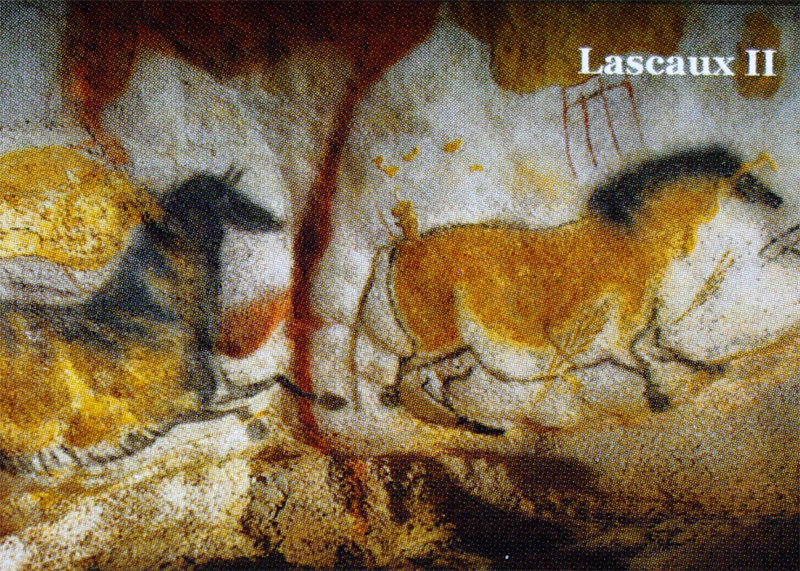
Our last stop at the Cave of Lascaux deserves a post of its own when I return home.
It was definitely the highlight of the day.

Day 290 vi

Studio 365: Day 283

Day 283 i

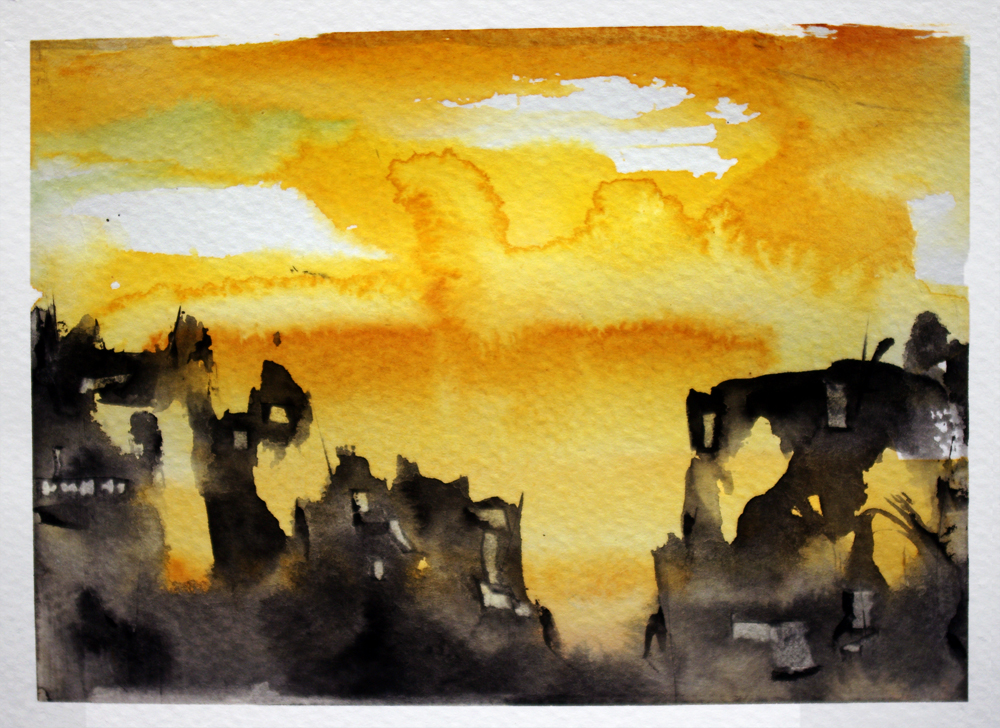
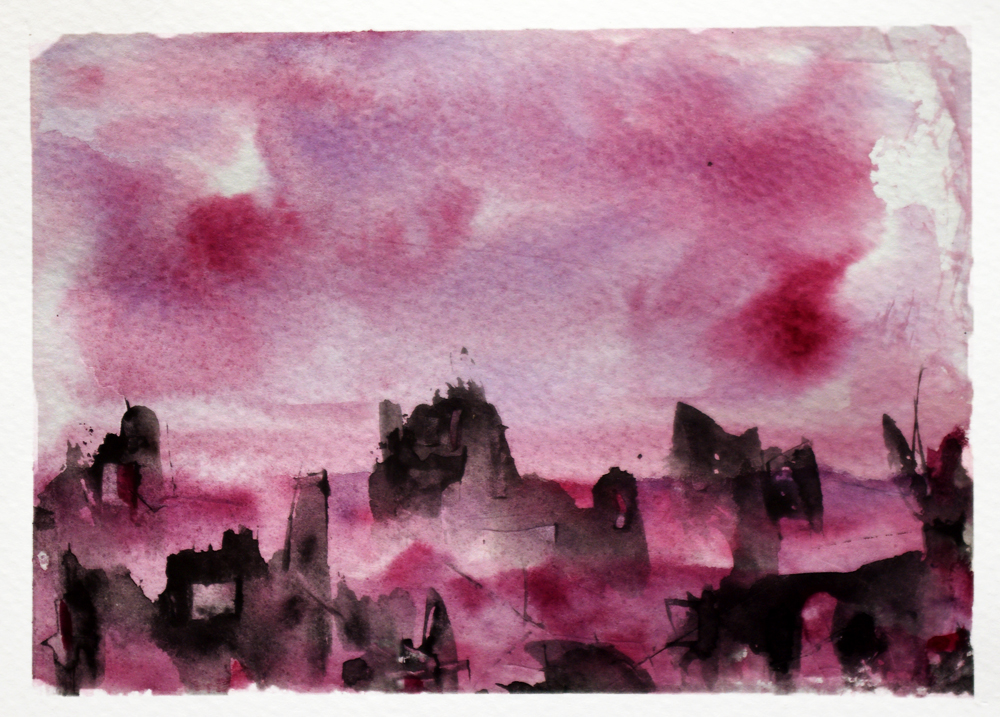
Never Again II 10.10.15

Yesterday’s post came about after receiving an email from Stephen Cornish, Executive Director of MSF Canada asking for support for an independent investigation into the bombing of their trauma hospital in Kunduz, Afghanistan. To accompany today’s images I thought I would reproduce in full Dr. Joanne Liu’s statement that was released on October 6th, together with the testimony of MSF nurse Lajos Zoltan Jecs who describes his experience the night the hospital was bombed.

Day 283 iii

Never Again III 10.10.15

Dr. Joanne Liu is a Montreal physician who currently serves as the international president of Doctors Without Borders/Médecins Sans Frontières (MSF). Here is her statement:

“For four years, the Doctors Without Borders/Médecins Sans Frontières (MSF)trauma centre in Kunduz was the only facility of its kind in northeastern Afghanistan, offering essential medical and surgical care. On Saturday, October 3, this came to an end when the hospital was deliberately bombed. Twelve MSF staff and 10 patients, including three children, were killed, and 37 people were injured, including 19 members of the MSF team. The attack was unacceptable.

The whole MSF movement is in shock, and our thoughts are with the families and friends of those affected. Nothing can excuse violence against patients, medical workers and health facilities. Under International Humanitarian Law hospitals in conflict zones are protected spaces. Until proven otherwise, the events of last Saturday amount to an inexcusable violation of this law. We are working on the presumption of a war crime.

In the last week, as fighting swept through the city, 400 patients were treated at the hospital. Since the facility’s opening in 2011, tens of thousands of wounded civilians and combatants from all sides of the conflict have been triaged and treated by MSF. On the night of the bombing, MSF staff working in the hospital heard what was later confirmed to be a US army plane circle around multiple times, releasing its bombs on the same building within the hospital compound at each pass. The building targeted was the one housing the intensive care unit, emergency rooms and physiotherapy ward. Surrounding buildings in the compound were left largely untouched.

Despite MSF alerting both the Afghan and Coalition military leadership, the airstrike continued for at least another 30 minutes. The hospital was well-known and the GPS coordinates had been regularly shared with Coalition and Afghan military and civilian officials, including as recently as Tuesday, September 29.

This attack cannot be brushed aside as a mere mistake or an inevitable consequence of war. Statements from the Afghanistan government have claimed that Taliban forces were using the hospital to fire on Coalition forces. These statements imply that Afghan and US forces working together decided to raze to the ground a fully functioning hospital, which amounts to an admission of a war crime.

This attack does not just touch MSF but it affects humanitarian work everywhere, and fundamentally undermines the core principles of humanitarian action. We need answers, not just for us but for all medical and humanitarian staff assisting victims of conflict, anywhere in the world. The preserve of health facilities as neutral, protected spaces depends on the outcome of a transparent, independent investigation.”

Day 283 iv

Never Again IV 10.10.15

MSF nurse Lajos Zoltan Jecs was in Kunduz trauma hospital when the facility was struck by a series of aerial bombing raids in the early hours of Saturday morning. He describes his experience:

“It was absolutely terrifying.

“I was sleeping in our safe room in the hospital. At around 2am I was woken up by the sound of a big explosion nearby. At first I didn’t know what was going on. Over the past week we’d heard bombings and explosions before, but always further away. This one was different — close and loud.

“At first there was confusion, and dust settling. As we were trying to work out what was happening, there was more bombing. After 20 or 30 minutes, I heard someone calling my name. It was one of the Emergency Room nurses. He staggered in with massive trauma to his arm. He was covered in blood, with wounds all over his body.

“At that point my brain just couldn’t understand what was happening. For a second I was just stood still, shocked. He was calling for help. In the safe room, we have a limited supply of basic medical essentials, but there was no morphine to stop his pain. We did what we could.

‘There are no words for how terrible it was’

“I don’t know exactly how long, but it was maybe half an hour afterwards that they stopped bombing. I went out with the project coordinator to see what had happened. What we saw was the hospital destroyed, burning. I don’t know what I felt – just shock again. We went to look for survivors. A few had already made it to one of the safe rooms. One by one, people started appearing, wounded, including some of our colleagues and caretakers of patients.

“We tried to take a look into one of the burning buildings. I cannot describe what was inside. There are no words for how terrible it was. In the Intensive Care Unit six patients were burning in their beds. We looked for some staff that were supposed to be in the operating theatre. It was awful. A patient there on the operating table, dead, in the middle of the destruction. We couldn’t find our staff. Thankfully we later found that they had run out from the operating theatre and had found a safe place.

“Just nearby, we had a look in the inpatient department. Luckily untouched by the bombing. We quickly checked that everyone was OK. And in a safe bunker next door, also everyone inside was OK.

“And then back to the office. Full — patients, wounded, crying out, everywhere. It was crazy. We had to organize a mass casualty plan in the office, seeing which doctors were alive and available to help. We did an urgent surgery for one of our doctors. Unfortunately he died there on the office table. We did our best, but it wasn’t enough.

‘We saw our colleagues dying’

“The whole situation was very hard. We saw our colleagues dying. Our pharmacist — I was just talking to him last night and planning the stocks, and then he died there in our office.

“The first moments were just chaos. Enough staff had survived, so we could help all the wounded with treatable wounds. But there were too many that we couldn’t help. “Somehow, everything was very clear. We just treated the people that needed treatment, and didn’t make decisions — how could we make decisions in that sort of fear and chaos? Some of my colleagues were in too much shock, crying and crying. I tried to encourage some of the staff to help, to give them something to concentrate on, to take their minds off the horror. But some were just too shocked to do anything. Seeing adult men, your friends, crying uncontrollably — that is not easy.

“I have been working here since May, and I have seen a lot of heavy medical situations. But it is a totally different story when they are your colleagues, your friends. These are people who had been working hard for months, non-stop for the past week. They had not gone home, they had not seen their families, they had just been working in the hospital to help people … and now they are dead. These people are friends, close friends. I have no words to express this. It is unspeakable.

“The hospital, it has been my workplace and home for several months. Yes, it is just a building. But it is so much more than that. It is healthcare for Kunduz. Now it is gone.

“What is in my heart since this morning is that this is completely unacceptable. How can this happen? What is the benefit of this? Destroying a hospital and so many lives, for nothing. I cannot find words for this.”

Day 282

Never Again.

From Bean to Brew in Peru

Did you know that today is National Coffee Day? I certainly didn’t, particularly as everyday is National Coffee Day in our house. But it really is as I discovered on my Twitter feed this morning when I saw the hatch tag #nationalcoffeeday.

And so to celebrate this important day in the life of my fellow coffee drinkers everywhere I thought I would look back to our coffee plantation visit on Day 5 of our trek to Machu Picchu with Mountain Lodges of Peru in 2013, a day on which we all enjoyed a memorable cup of strong aromatic coffee having witnessed its journey from bean to cup…

…and a great way to respond to Kristin who asked us to show “a change in progress” for this week’s Photo Challenge: Change

Studio 365: Day 187

Lessons from the Great Masters Day 6 – # I

Day 187 iv

Arizona Revisited I 6.7.15

Day 187 v

Arizona Revisited II 6.7.15

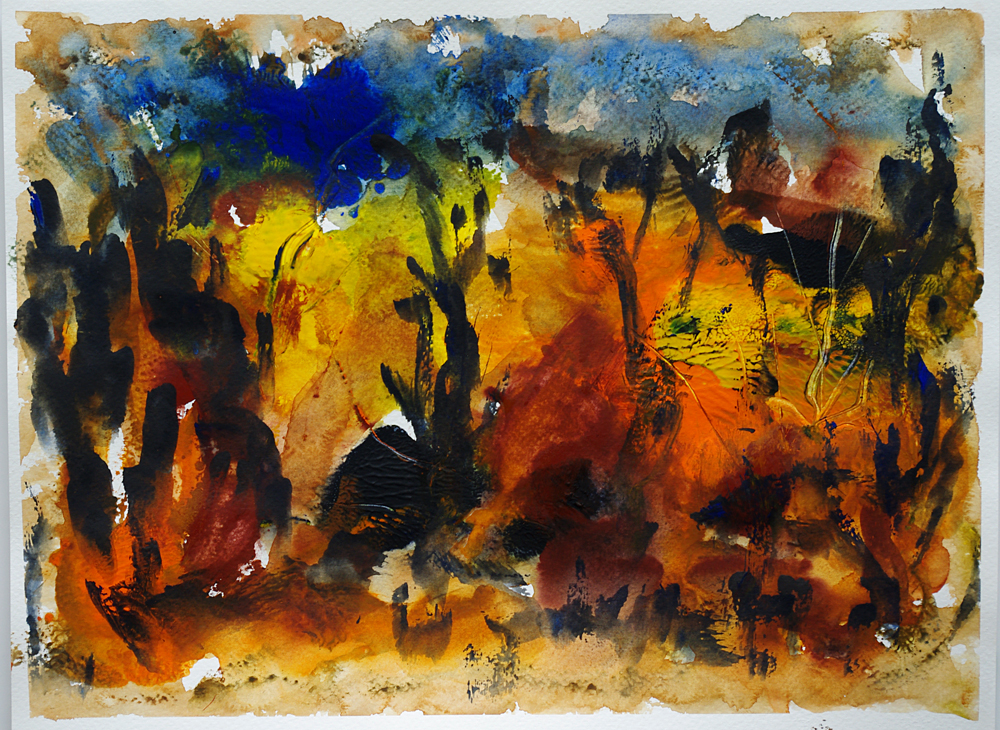
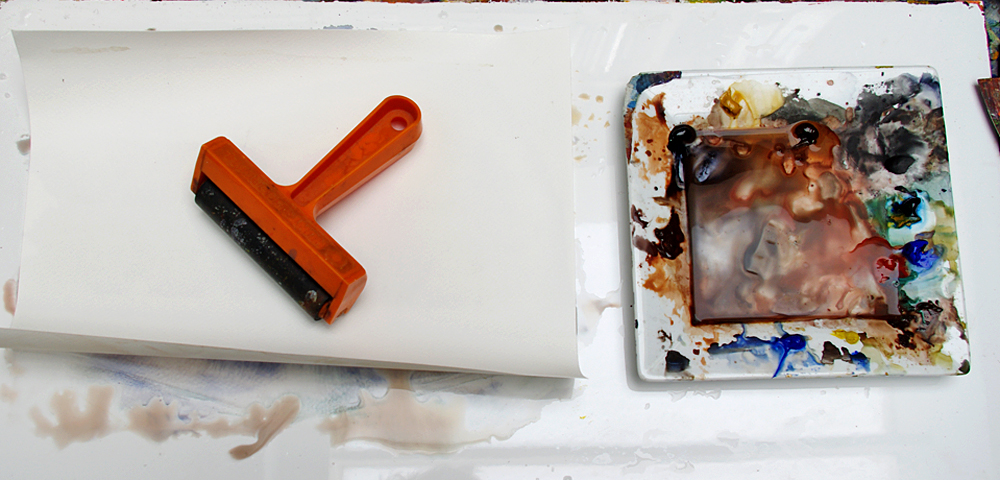
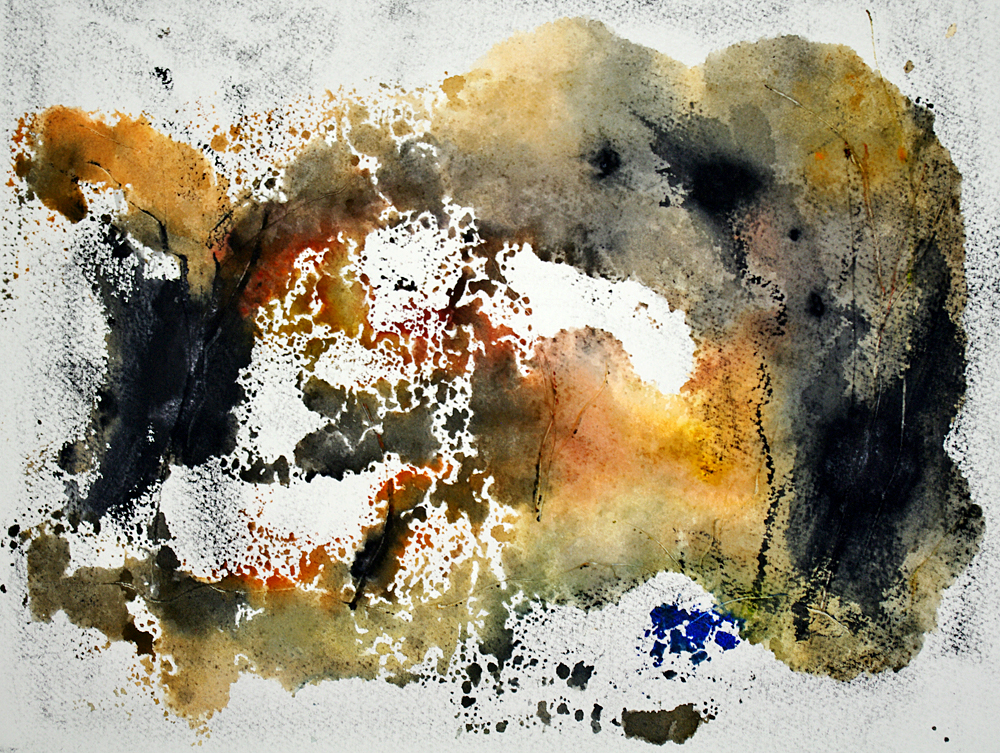
Definitely a quantum leap with today’s exercises, which involved creating watercolor monoprints by pressing paper onto wet paint on my white ceramic palette. The effects were both exciting, and not unexpectedly, surprising.

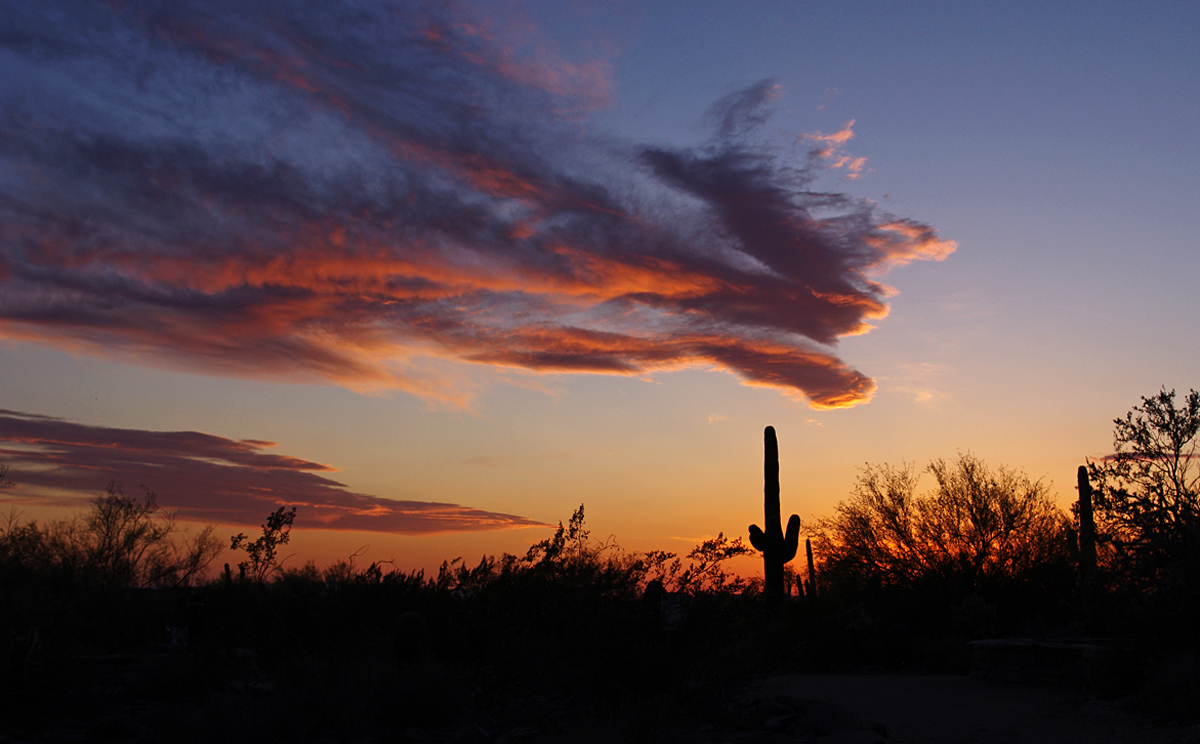
After the paper was removed from the palette the images were worked on and as they changed they reminded me of the night sky on the McDowell Sonoran Reserve in Scottsdale, from our recent trip to Arizona.

Day 107


Lessons from the Great Masters Day 6 – # II

Day 187 i

Day 187 ii

Day 187 iii


Lessons from the Great Masters Day 6 – # III

Day 187 ix

Day 187 xiii

Day 175 iii

One final palette piece that deserves its own space, I’m sure you’ll agree…

Day 187 x

It’s been quite a day…

Canada Day Muse

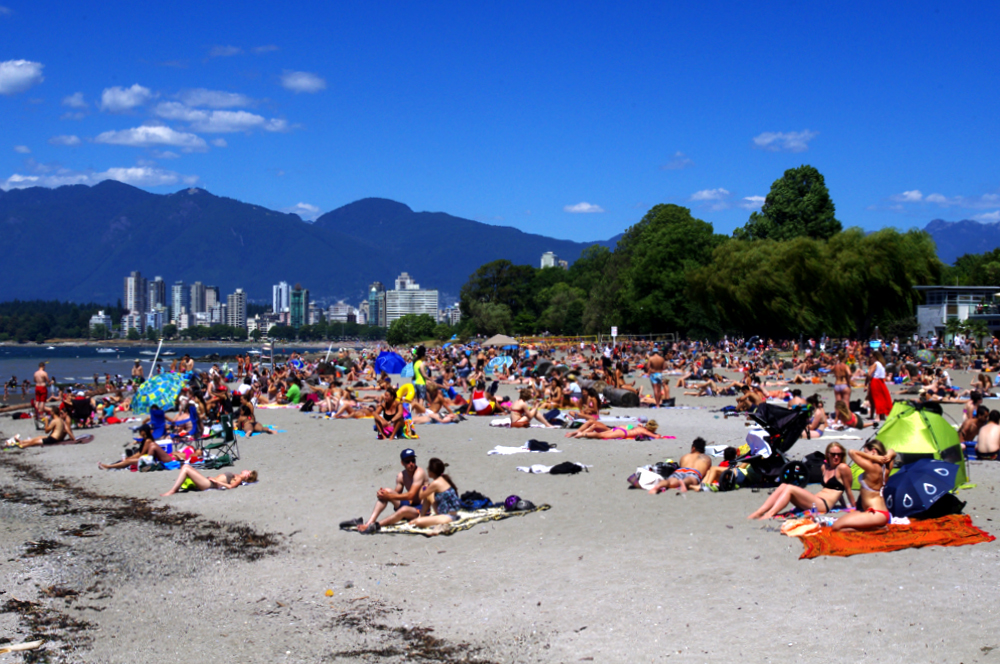
Kitsilano Beach in Vancouver has been featured many times on thechangingpalette. It is a definite muse and constant source of photographic inspiration, from the crisp clear days of Winter, to the glorious hot days of Summer…

Canada Day iv    Canada Day v

Canada Day ii    Canada Day iii

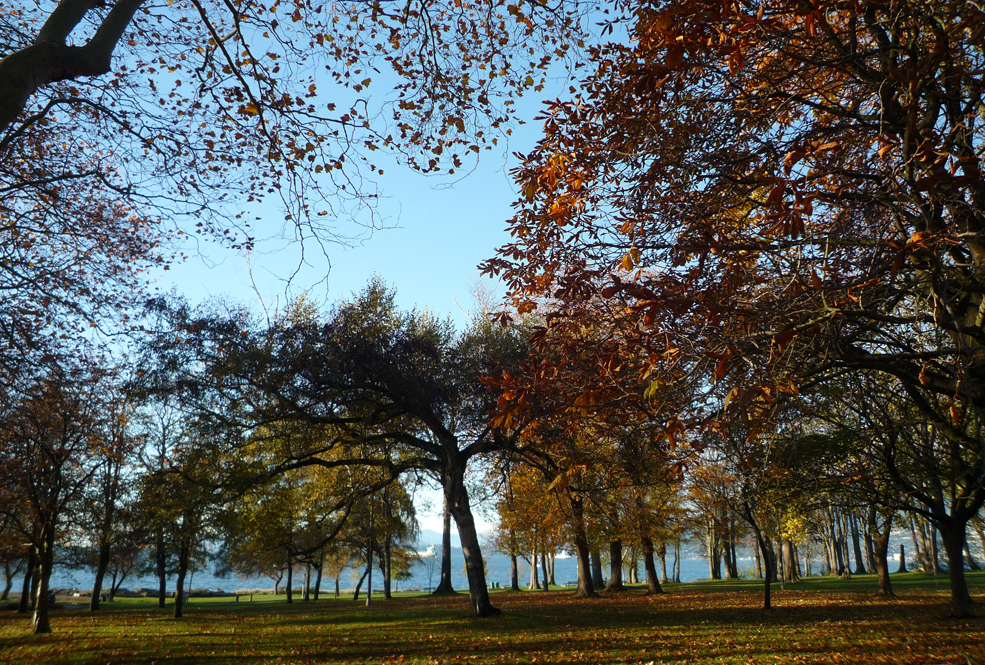
…with the wonderful colours of Spring and Fall in between

Kits Beach Spring    Kits Fall

….and breathtaking skies and sunsets all year round.

Kits sky    silouette

Today was a spectacular Canada Day to walk along the beach to Granville Island

Canada Day viii

…and the perfect way to celebrate this special day

Canada Day vii

…made even more special for this newly doting Grandpa.

Wishing everyone a very Happy Canada Day.

Well Met

As promised on MoMA Mia, a gallery and slideshow of some of my favourite photos from our recent visit to The Metropolitan Museum of Art in New York.

The perfect way to spend a few hours on a New York Sunday afternoon in January.

This slideshow requires JavaScript.

While you are viewing the slides, enjoy Frank Sinatra and Tony Bennett singing…you guessed it of course…New York New York.

MoMA Mia

A gallery and slide show of some of my favorite photos from our memorable visit to the
Museum of Modern Art in New York just over a week ago to see the Matisse Cut-outs.

This slideshow requires JavaScript.

Can you predict the song?

Stay tuned for our visit to the Metropolitan Museum of Art in a day or two.

Studio 365: Day 11

Day 11 vii
 
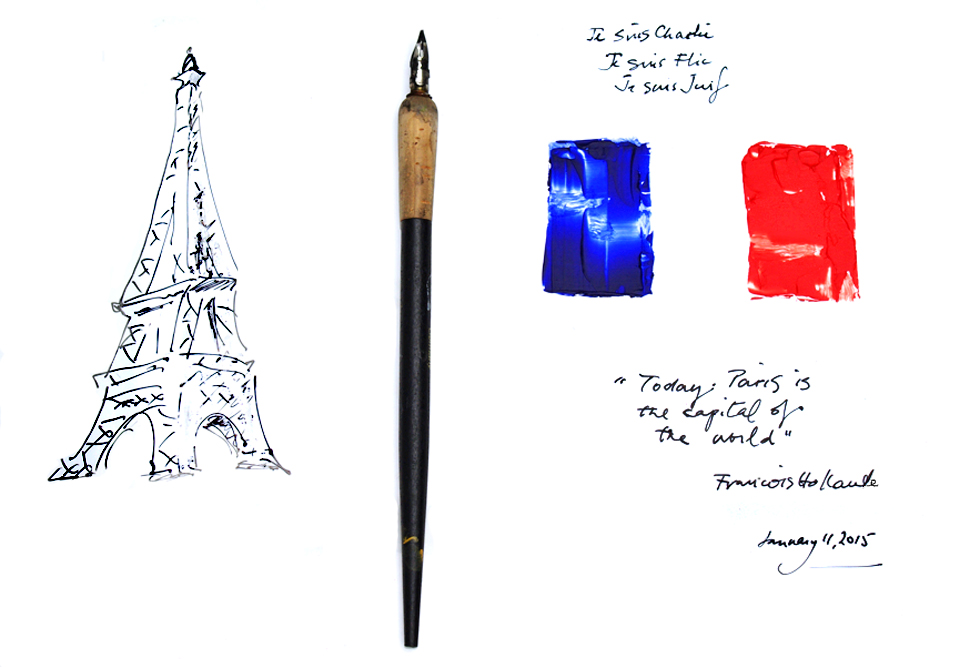
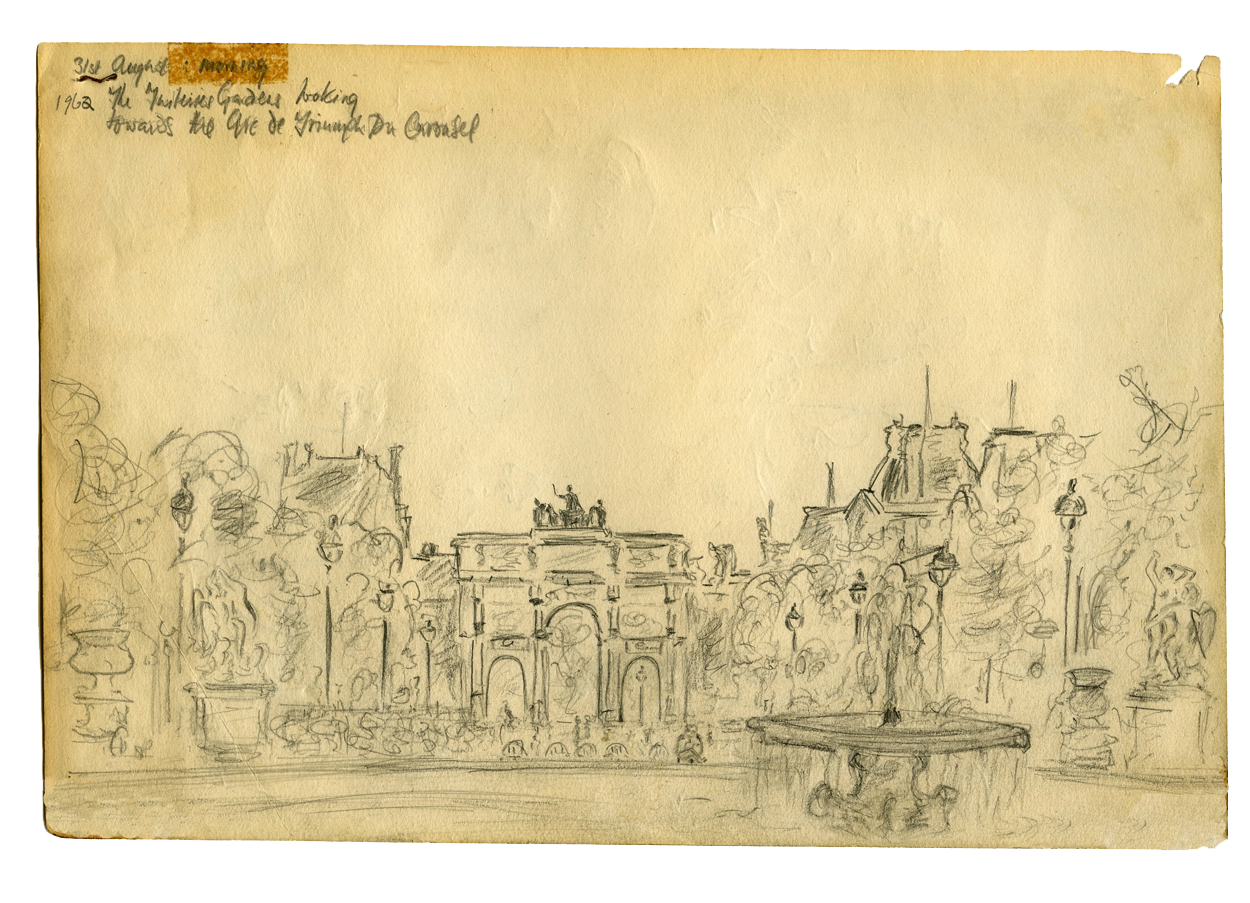
I fell in love with Paris on my first visit there as a young boy in August 1962. I remember as if it were yesterday sitting and drawing in the Tuileries Garden after being inspired by all the French Impressionist paintings I had just seen in the Jeu de Paume, a stone’s throw away.

Tuileries ii

In the studio today my thoughts are very much with all the citizens of this great city as they walk in their millions for remembrance, for freedom, for tolerance, for love, for mankind, for the future.  In the words of Francois Hollande, Paris truly is “the capital of the world today.”

Day 11 iii

Celebrating the Quincentenary of Andreas Vesalius

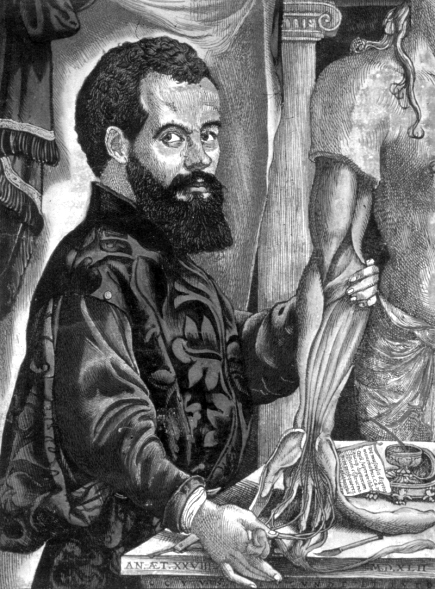
portrait b&w

Andreas Vesalius, one of the greatest physicians and educators of the sixteenth century, was born in Brussels five hundred years ago today on the 31st of December 1514.  To celebrate this special day I thought I would tell the story of Vesalius and the myth of Apollo and Marsyas as it brings together the history of medicine, the history of art, mythology and some memorable images.

Vesalius studied Medicine at the University of Paris and then the University of Padua where he obtained his doctorate in 1537. He was then appointed professor of anatomy and taught there until 1543 before becoming court physician to the Emperor Charles V and subsequently his son Phillip II. He died at the early age of 50 on the Greek Island of Zakynthos.

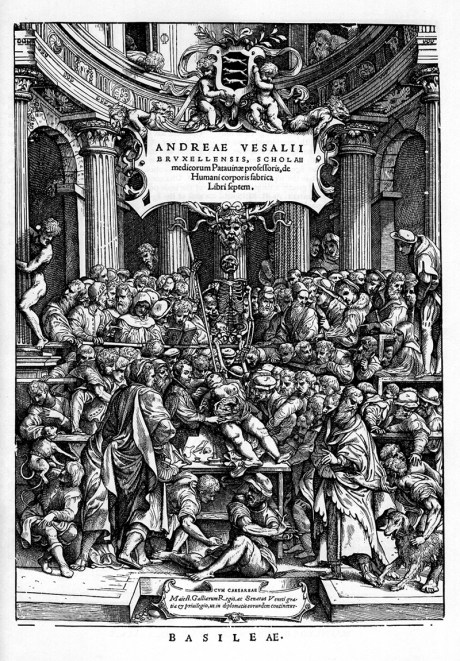
In 1538 Vesalius published his first anatomical text, six printed sheets entitled Tabulae Anatomicae.  It was in 1543 however, at the young age of 29, that he published his greatest work, a book that Sir William Osler described as one of the most important in the history of medicine.  De Humani Corporis Fabrica Libri Septem, on the structure of the human body in seven books, is a massive work of 663 pages and marks the turning point from medieval to modern anatomy.
frontespiece

The frontispiece of the book is considered one of the great woodcuts of the 16th century. Vesalius is seen standing at the dissecting table in this stylized Teatro Anatomico in Padua teaching a crowd of students and dignitaries. This was quite unlike any professor of Anatomy from the previous two centuries who would always sit in the professorial chair reading from the works of Galen high above the dissecting table below, where a barber surgeon would be dissecting the body part under discussion.

The book contains some of the first anatomical descriptions and illustrations of human anatomy to be published, descriptions however that were considered controversial, for Vesalius had dared to challenge the authority of Galen whose anatomy, which was based on animal rather than human studies, had prevailed for nearly 1500 years.

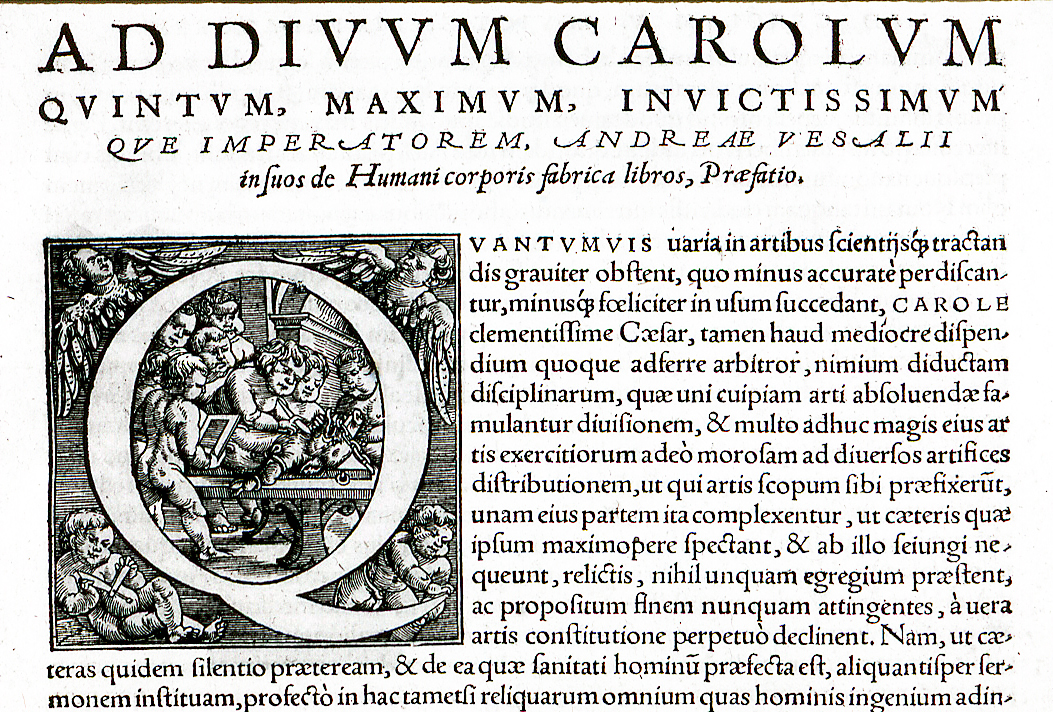
Vesalius dedicates the Fabrica to Charles the Fifth. “Ad Dium Carolum Quintum” he writes on the opening page and then begins his Preface with the first of five large historiated initials, the letter Q for Quantumvis.
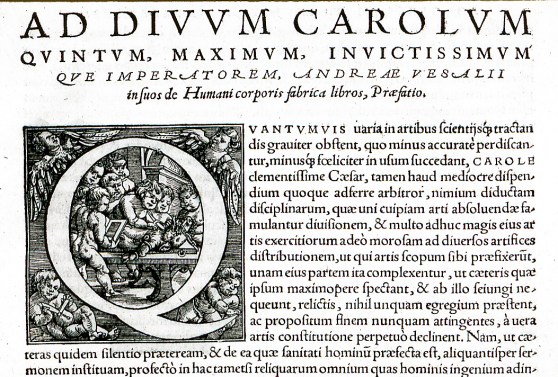
Q

In the preface Vesalius explains how essential he believes the study of human anatomy is to the future of medicine and particularly surgery, which he states had fallen into disrepute. He also expresses his concern that his work will not be recognized: “…it does not escape me” he writes,“ how little authority this effort of mine will have on account of my age, as I have not yet passed beyond my twenty-eighth year, and because of my frequent indications of Galen’s untrue beliefs.”
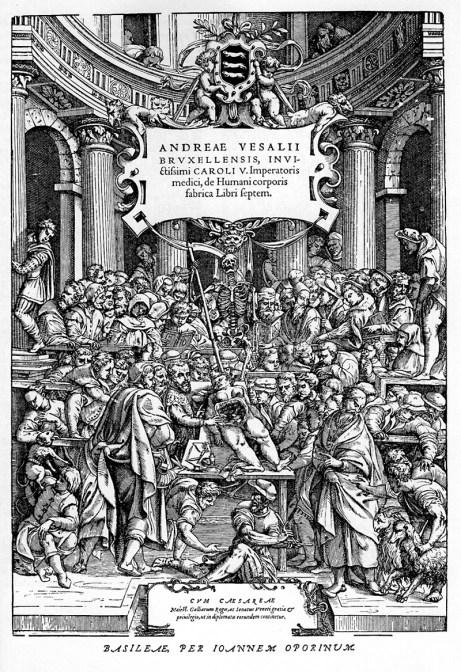
frontespiece 1555

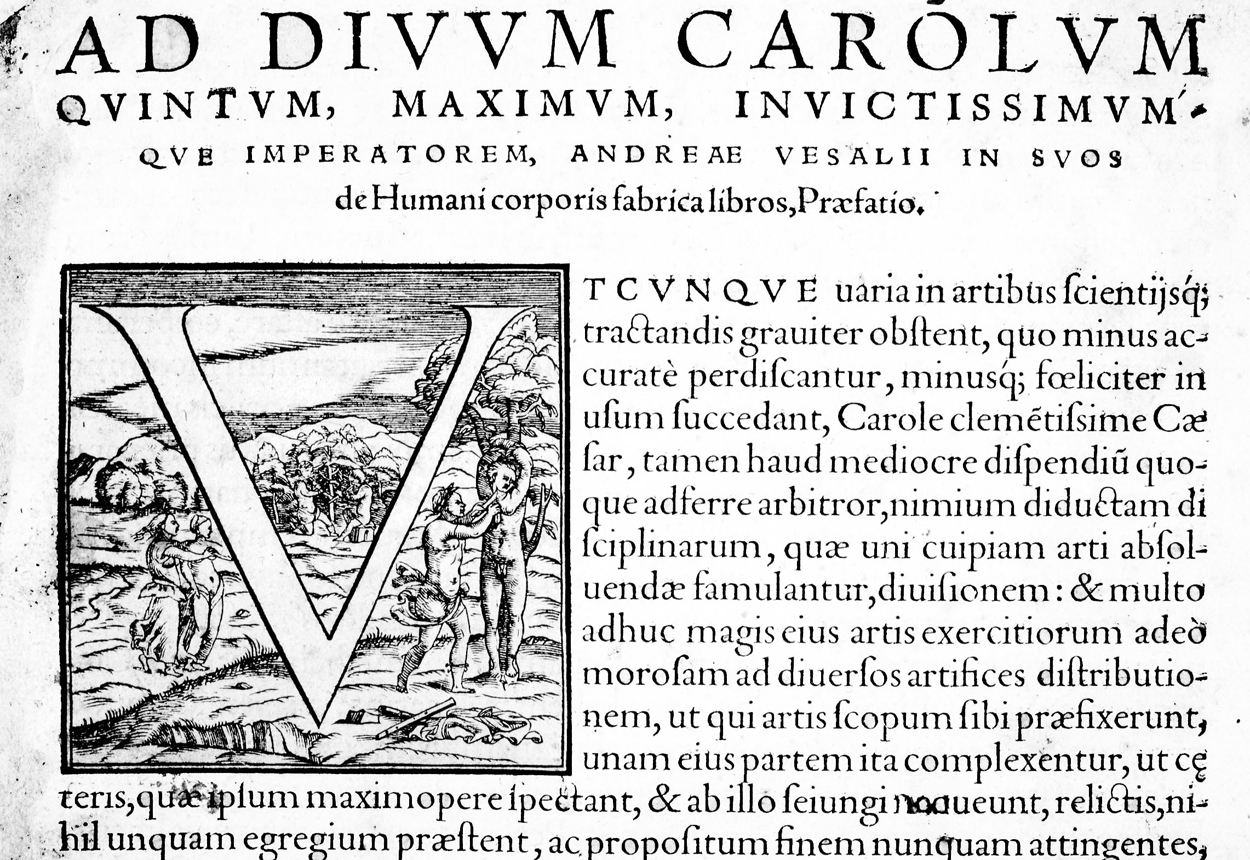
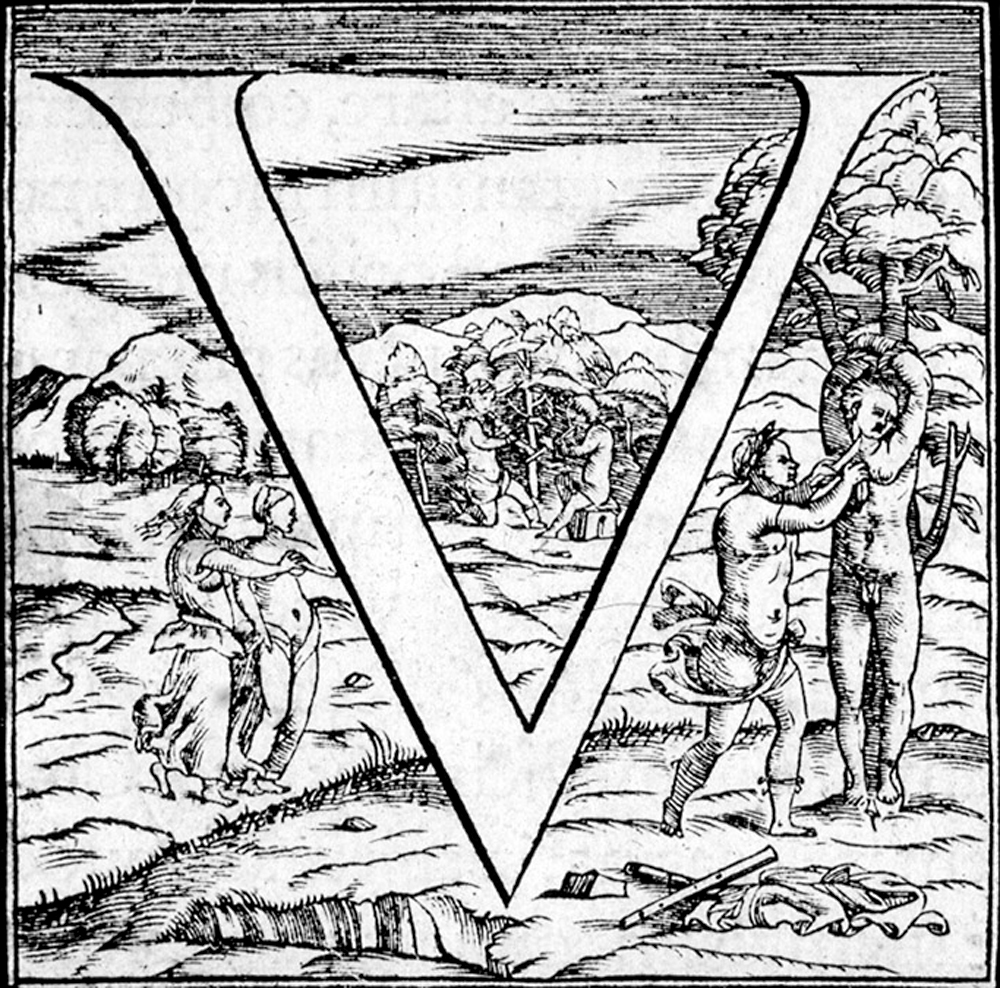
In 1555 Vesalius published a second edition of the Fabrica containing a number of revisions, the first being a new frontispiece as shown above.  He also chose to begin the preface of this edition with a completely new and unique historiated initial, the letter V for Utunque; also, no doubt, V for Vesalius himself.

1552 V

As the first initial of the revised Fabrica Vesalius is clearly making a statement, although nowhere do we learn from him what that statement might be. What does this new image represent and why did he choose it?
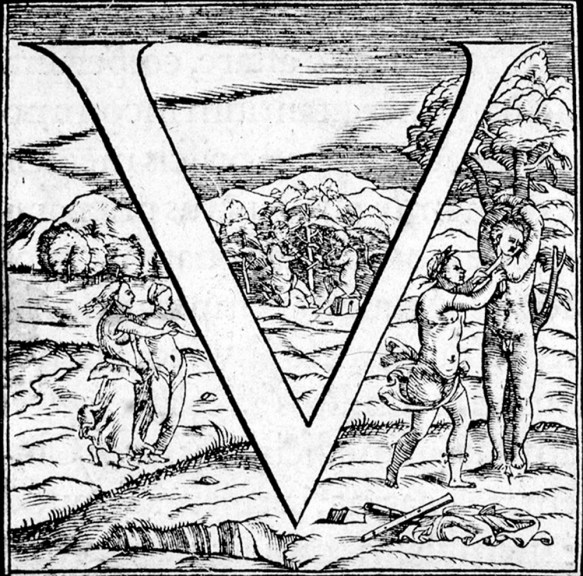
V

It tells the story of the ancient myth of Apollo and Marsyas. The Phrygian satyr Marsyas had become skillful at playing the flute and challenged the god Apollo to a musical duel. This was judged by the muses who declared Apollo, with the divine sound of his stringed lyre, the winner. As punishment for his impudence Apollo flayed Marsyas alive.

This story appears to have captured the imagination of poets, emperors, popes, artists and now anatomists. It was first recorded in the fifth century BC by Herodotus, was re-told in Ovid’s Metamorphoses, and referred to in Dante’s Divine Comedy.
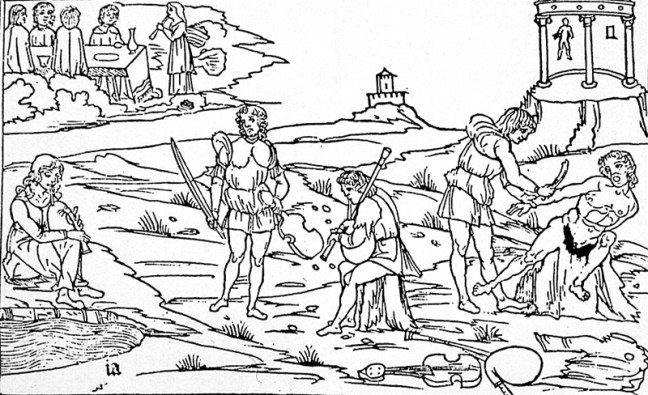
prologue

This 15th century woodcut above provides us with a prologue to the myth. In the distance the goddess Athena is seen playing her flute to the gods on Olympus, who were said to have laughed at her. When later she sees her reflection in a stream with her cheeks puffed out as she plays, she curses the instrument and discards it. Marsyas finds it and teaches himself to play. Feeling invincible he challenges Apollo to the musical duel in which the muses judge him to be the loser. Apollo flays him alive and his skin is seen hanging in the distant temple.

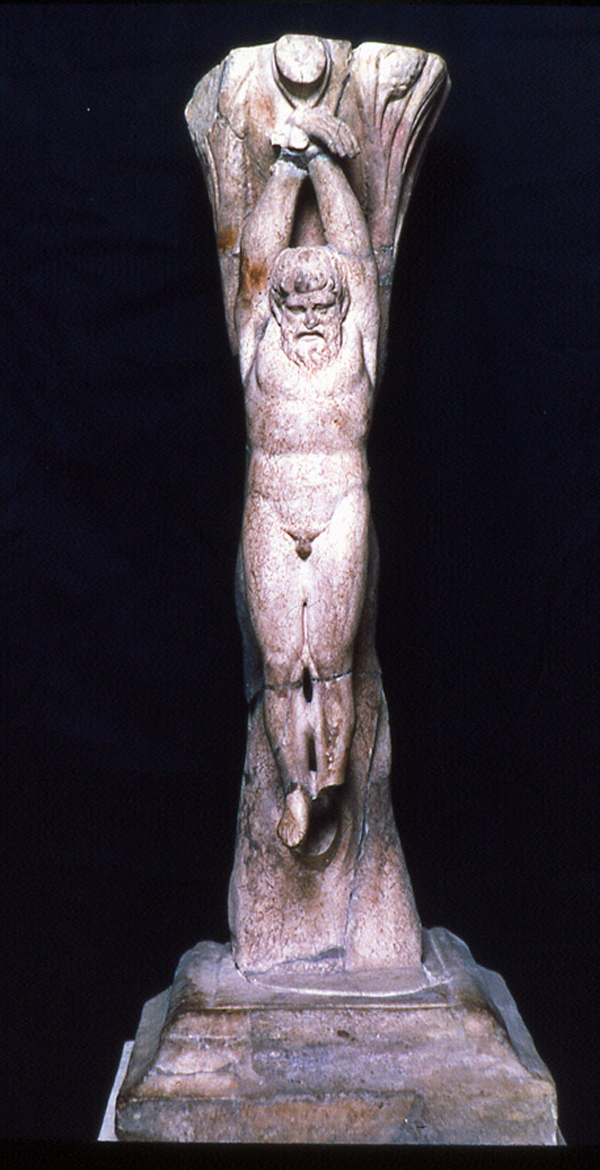
In antiquity statues of Marsyas were described on the Acropolis in Athens and later in the Roman Forum. The relief below is in the Athens Museum and shows Apollo with his lyre, the executioner his knife ready, and Marsyas playing the double pipe. On the right is a small marble from the Museum on the Greek Island of Kos, birthplace of Hippocrates, showing Marsyas hanging by his arms awaiting his fate.
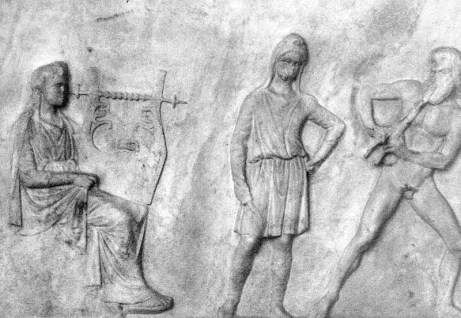
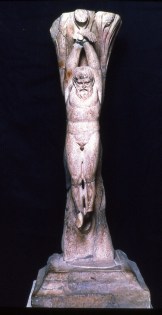
Athens A&M      Kos M

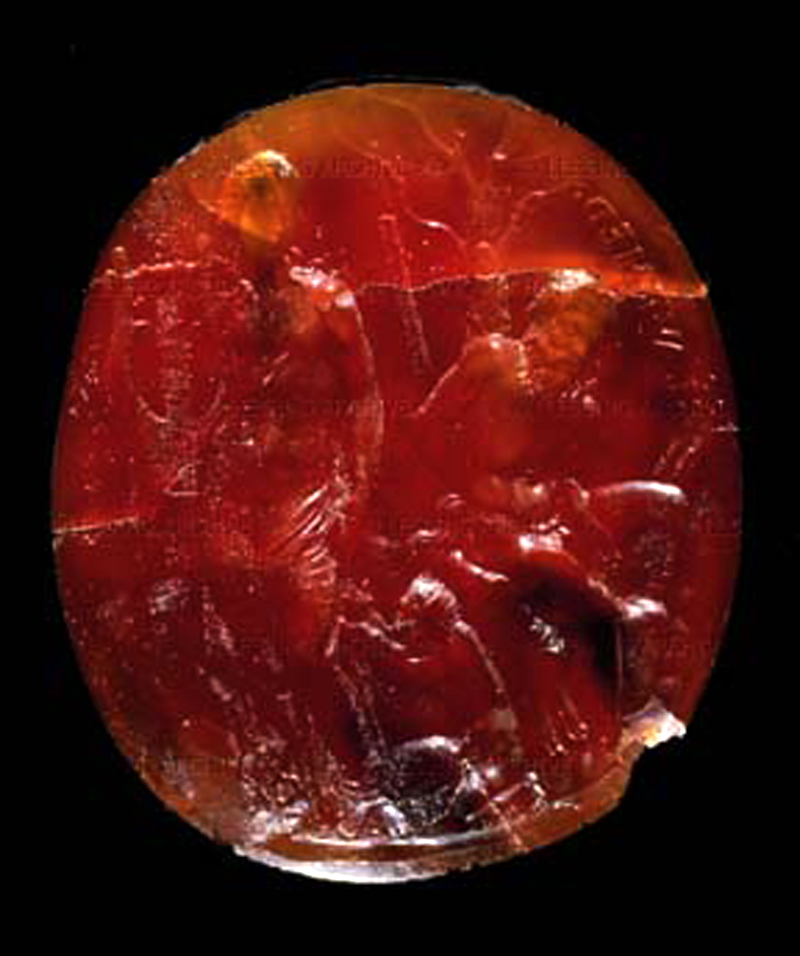
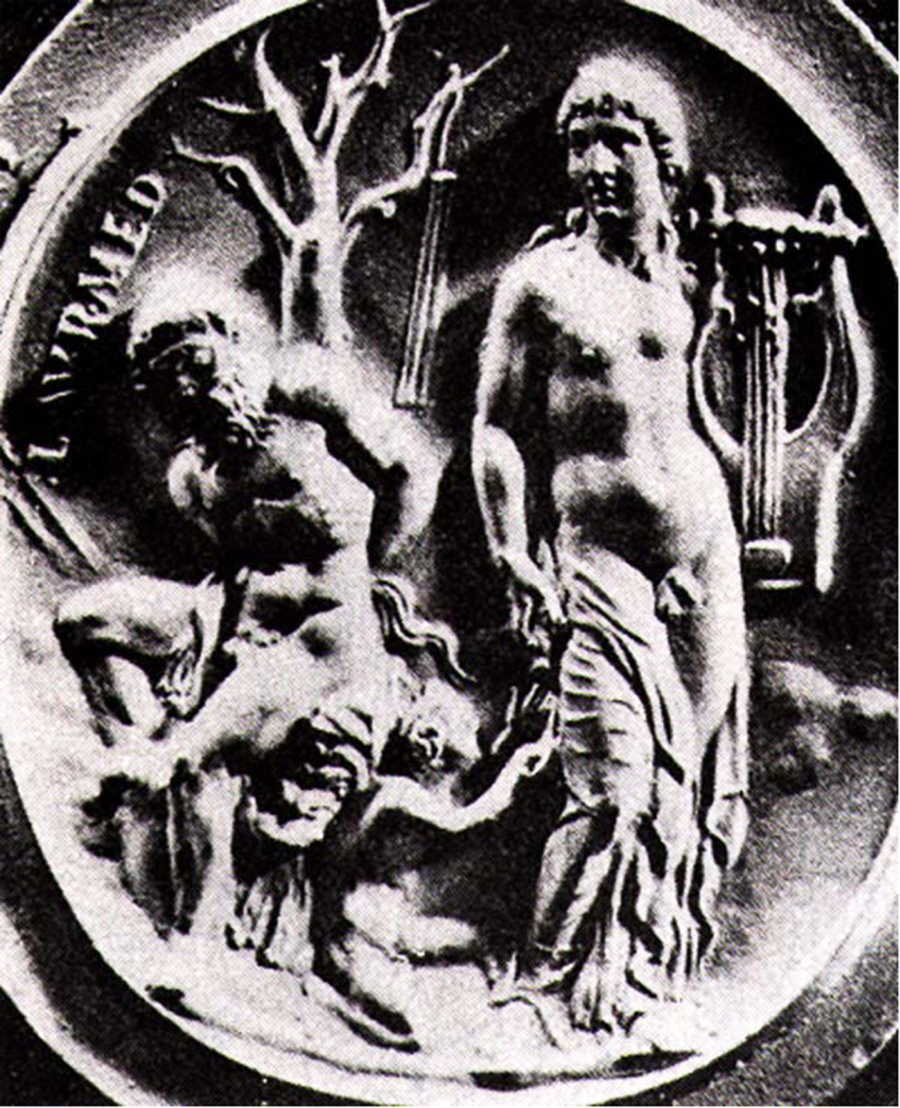
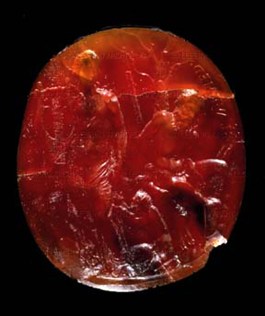
This beautiful carnelian gem was made for the Emperor Augustus and is now in the Museo Nazionale in Naples. In the 15th century it came into the possession of Lorenzo de Medici who made an impression from the gem that reveals its exquisite detail.  Marsyas, his arms bound is seated on a panther skin, the symbol of Dionysus, his pipes hanging from the tree behind him and the triumphant Apollo standing impassively with lyre in hand.

.     gem          Medici
It has been suggested that the Belvedere Torso in the Vatican, so much admired by Michelangelo, may well be a seated Marsyas. The figure is in the same pose as seen in the Augustan gem, and is similarly seated on a panther skin.
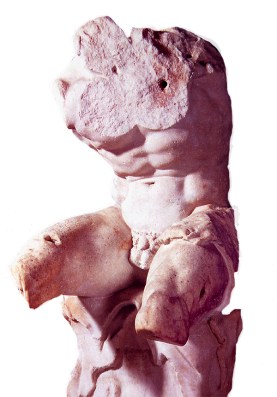
Belvedere torso

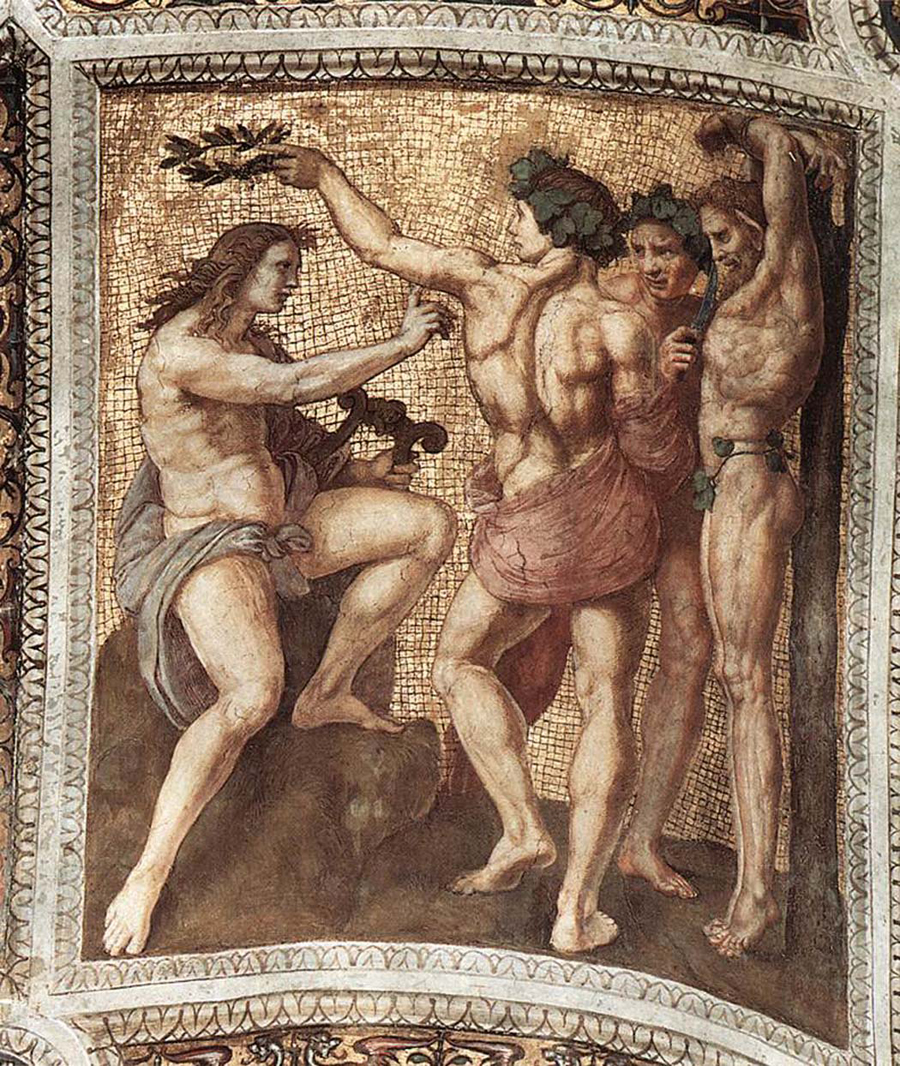
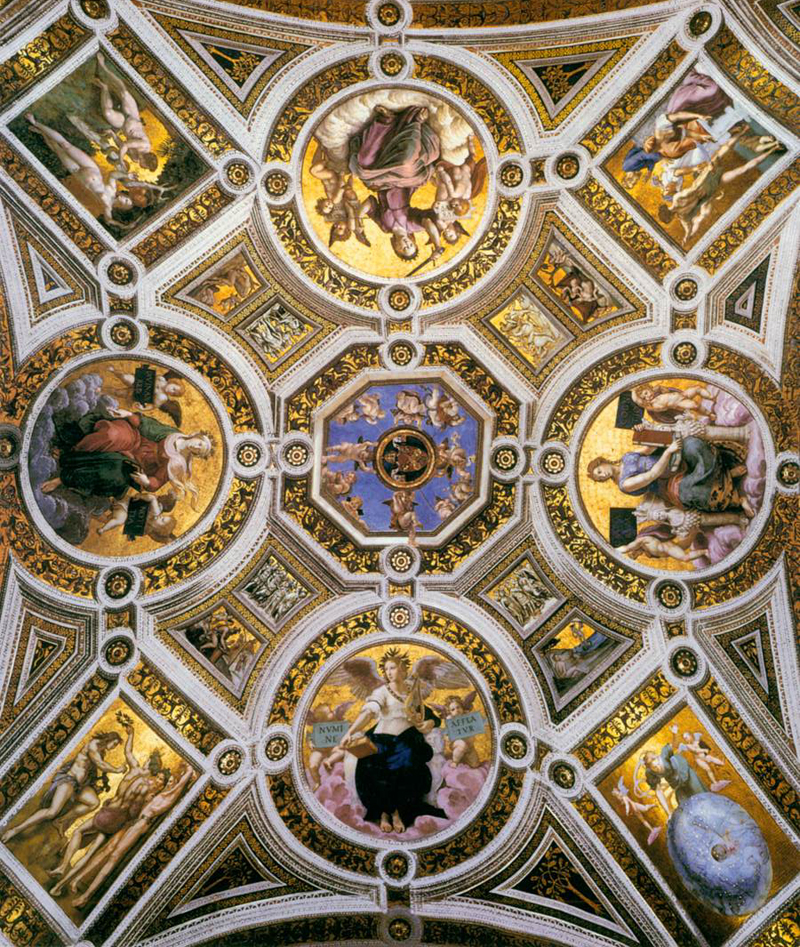
Many artists have been inspired to reproduce the myth. In the ceiling of the Stanza della Segnatura, in the Vatican, Raphael has placed it between representations of poetry and theology. The executioner, knife poised, awaits Apollo’s command to begin his work.
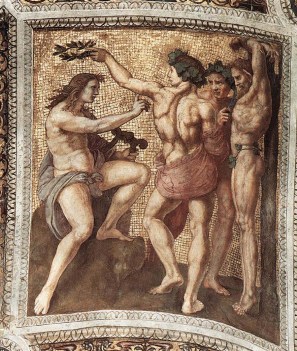
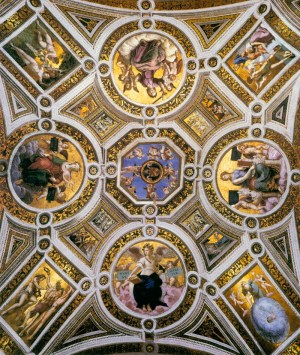
Raffael Marsyas            ceiling

In this pen and ink wash from the Louvre in Paris by Giulio Romano in 1527 Marsyas has been suspended and his punishment is already underway.

Romano

Romano’s image was perhaps the source of the last painting of Titian, the greatest Venetian artist of the sixteenth century. This painting of the Flaying of Marsyas was found in his studio after his death in 1576 and is perhaps the most moving representation of the myth, expressing life and death, harmony and discord, sacrifice and salvation.

Titian

Which brings us back to Vesalius and the Fabrica. What were his intentions in representing the myth? Did he see himself as Apollo, or Marsyas, or perhaps both? He certainly had challenged fifteen hundred years of established Galenic anatomy, which was being taught in the universities of Europe. He had been publicly flayed in print by his old teacher Sylvius for doing so and had been described by him as a “mad deserter, wholly arrogant and wholly ignorant”.
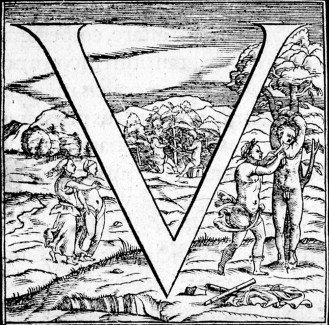
V

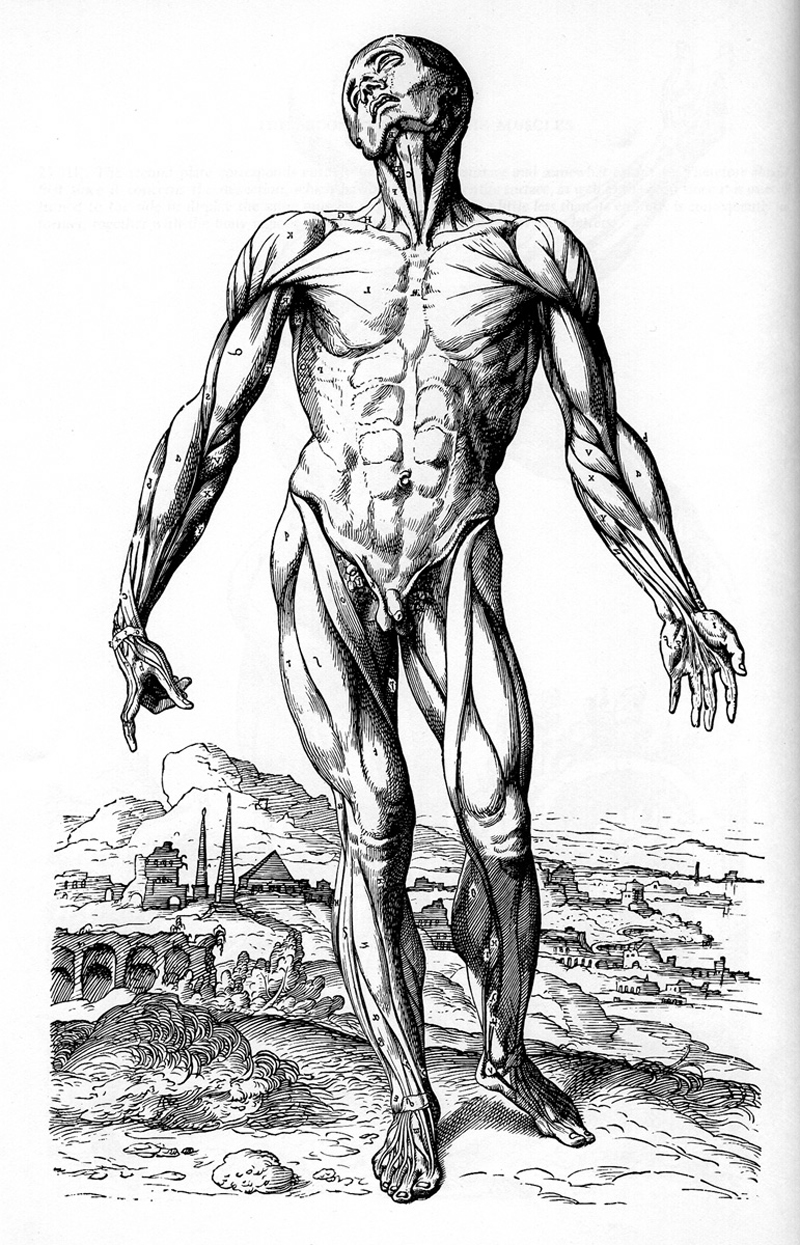
Yet Vesalius knew that his work was about absolute truth. The harmony of the universe represented by the music of Apollo’s lyre is ever linked to the harmony and spirit residing in the human body. The beauty and strength of the flayed figures in the Fabrica express this belief. The skin may be gone but the body stands strong and tall; Marsyas lives.

muscle figure

On this quincentenary of his birth it is Andreas Vesalius, the Apollo of all the teachers of anatomy, whom we remember today.  His dedication to the teaching and writing of human anatomy became the foundation of modern medicine and surgery. We have much to thank him for.

Key references: O’Malley C. Andreas Vesalius of Brussels 1514-1564. University of California Press, Berkeley and Los Angeles, 1964; Lambert S.W. The Initial Letters of the Anatomical Treatise, De Humani Corporis Fabrica, of Vesalius, in Three Vesalian Essays to Accompany the Icones Anatomicae of 1934. The Macmillan Company, New York 1952; Wyss E. The Myth of Apollo and Marsyas in the Art of the Italian Renaissance. University of Delaware Press, Newark; Associated University Presses, London 1996
A Year of Monday Bouquets

When I published the first Monday Bouquet at the beginning of the year I wrote that my goal for 2014 would be “to post a bouquet, photographed or painted, each Monday throughout the year.” With the posting of yesterday’s Monday Bouquet, which is to be the last, I’m happy to say that my goal has been met.

I hope you enjoy the warmth and colour of today’s gallery of all the bouquets and perhaps find one that you might like to download to brighten your days in the year to come. If you do, let me know which one you choose. I certainly have my favourites now that I see them all together for the first time.

My thanks to all of you for visiting this past year and commenting so warmly.

Wishing everyone a very Happy New Year.