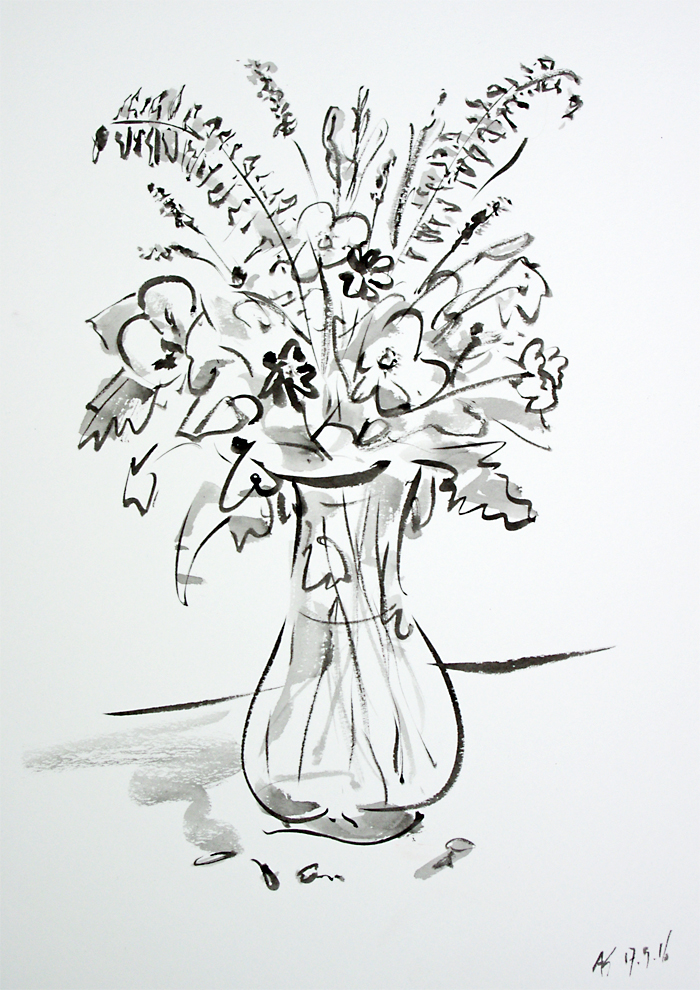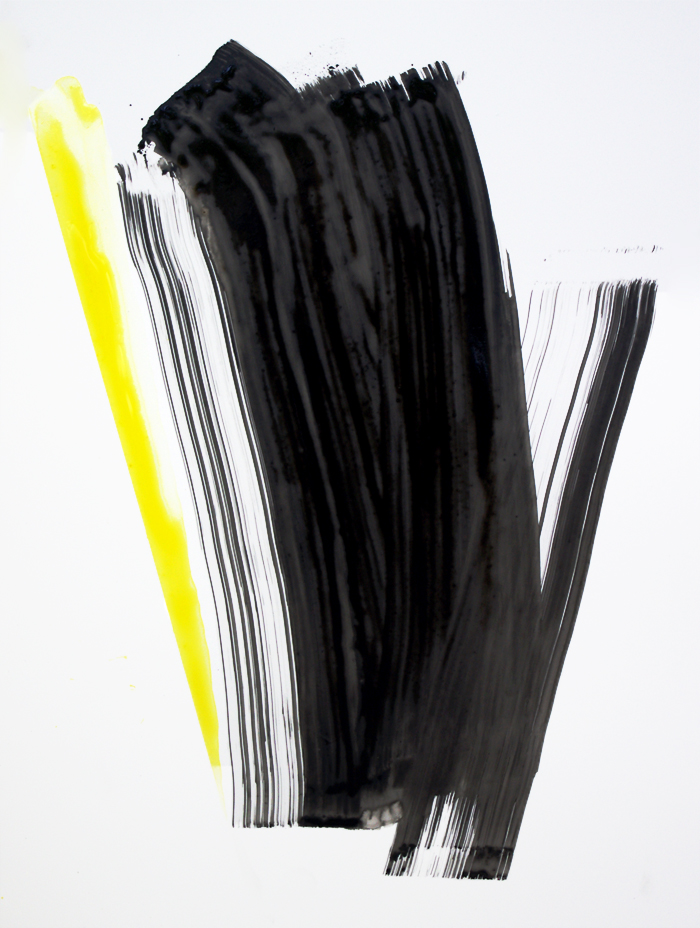
pen and ink drawing

Weekly Photo Challenge: Quest

I have been struggling how best to respond to this week’s Daily Post Photo Challenge from Cheri in which she asks, “what quest means to you.”

Initially I thought, somewhat philosophically, that I would explore trying to represent the quest we all have had at some point in our lives for “the meaning of life,” but this week watching the horror and tragedy in Aleppo becoming more desperate each day, and seeing the heartbreaking images of little children, the same age as my beautiful granddaughter who is fifteen months old today, being pulled from the rubble of their homes, it is clear that the meaning of life had ended for them before it had even had a chance to begin.

quest-vi

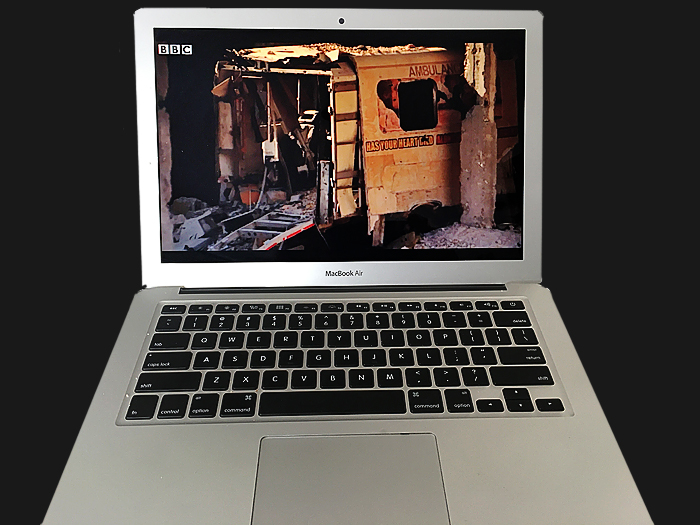
Watching on my laptop one of Jeremy Bowen’s reports from Syria, one image stood out as a metaphor for all the White Helmet volunteer relief workers, first responders and medics who have lost their lives in the name of peace and humanity trying to save these children and families. This ambulance had been pulverized in targeted bombing and on its side are the words HAS YOUR HEART DIED, and hidden behind the pillar I believe the words read ALONG WITH YOUR CHILDREN?

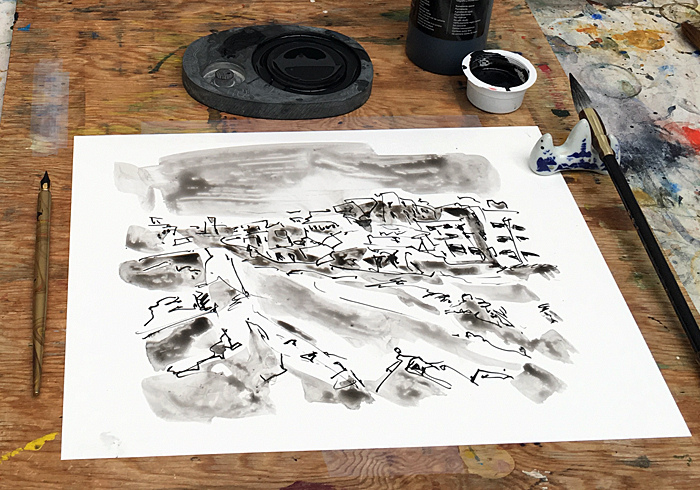
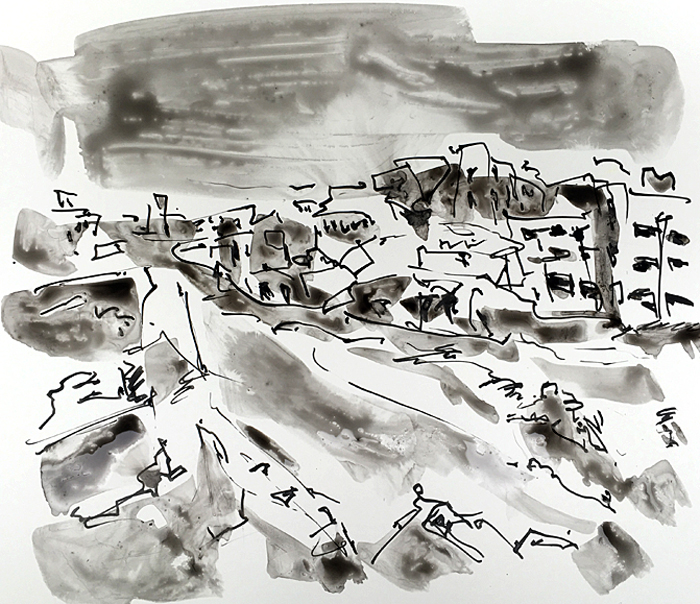
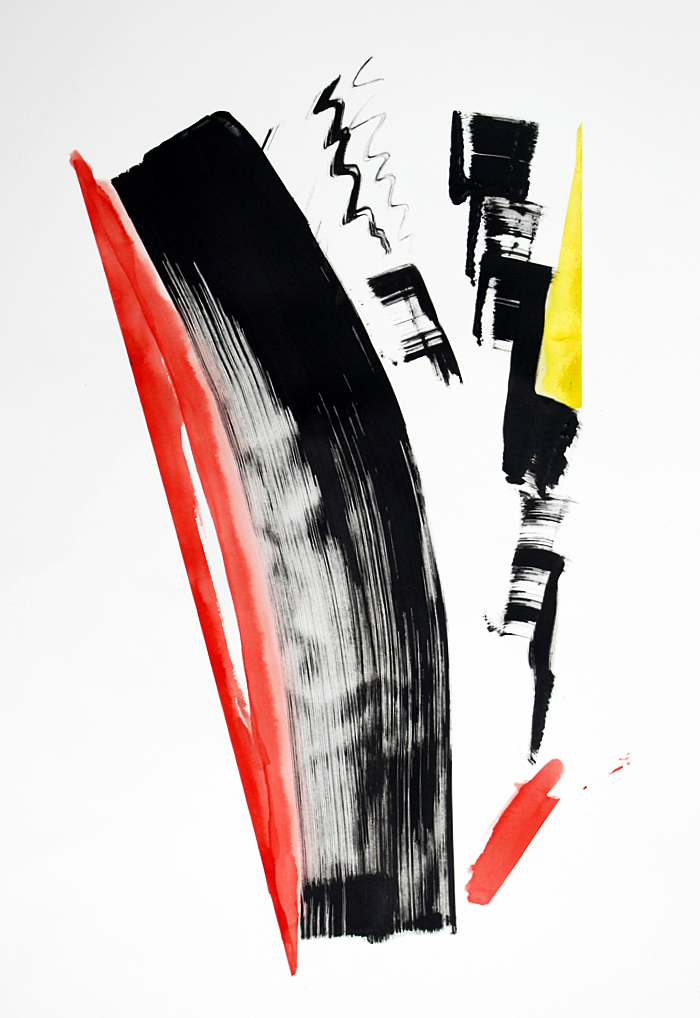
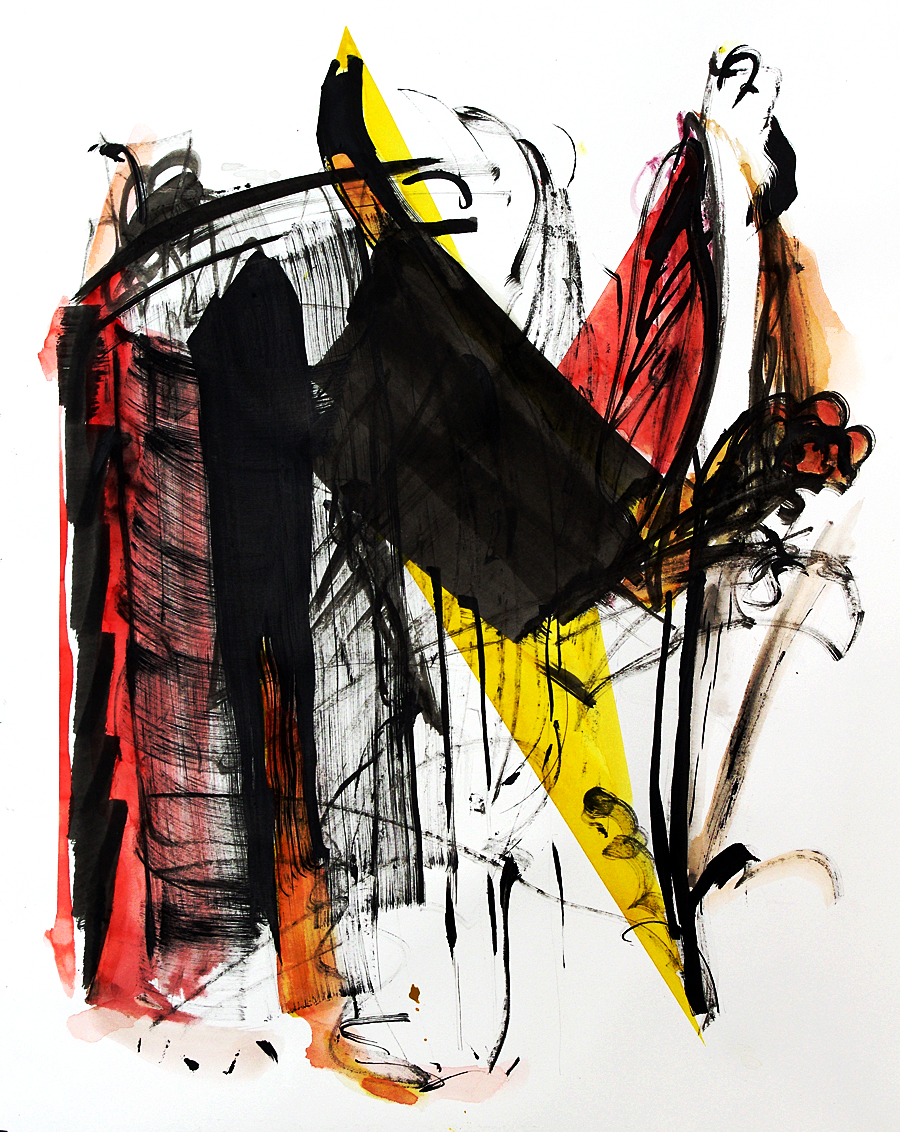
How else to express both outrage and sadness but with pen and brush, ink and paper, as I have done too many times before:

quest-ii


And so you ask what is my answer to Cheri’s question,”What does quest mean to you?”It is simply that one day those responsible for these war crimes will be held accountable and brought to justice.

quest-vii

Aleppo 25.9.16

Here is the link to Jeremy Bowen’s report from September 14th:

Syria ceasefire: Aleppo district “pulverized”

Dedicated to five-year-old Rawan Alowsh who was pulled alive by her pony tail from the rubble last Friday and sadly to the memory of her three sisters and one brother, who were all killed in the airstrike together with their father, Mohammad Alowsh, 28, and mother, 30-year-old Kefaeh.


saturday’s bouquets

17-9-16-i

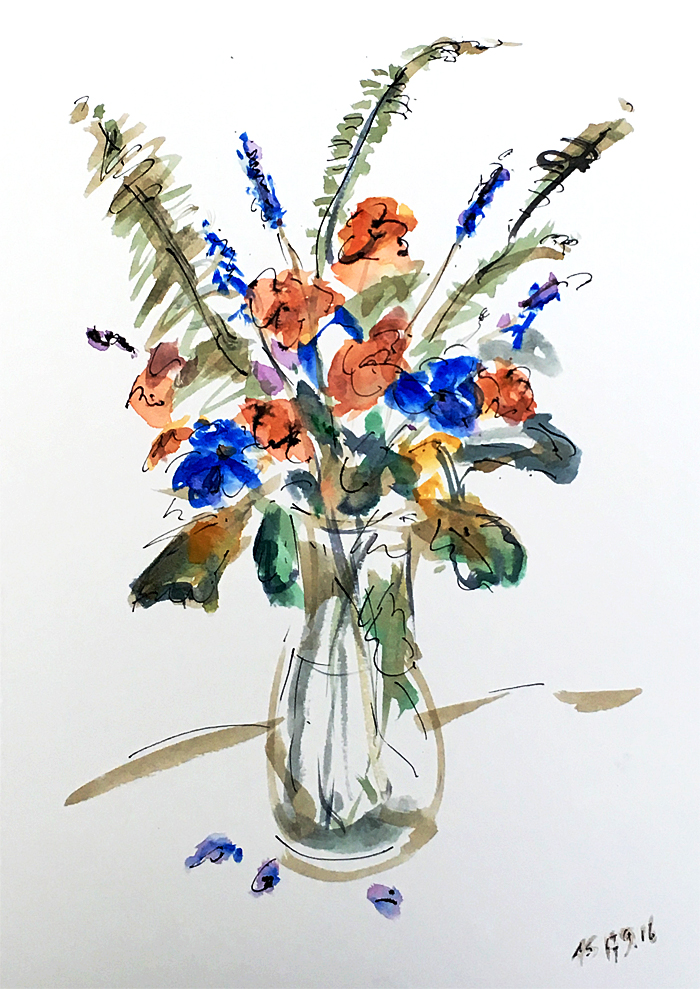
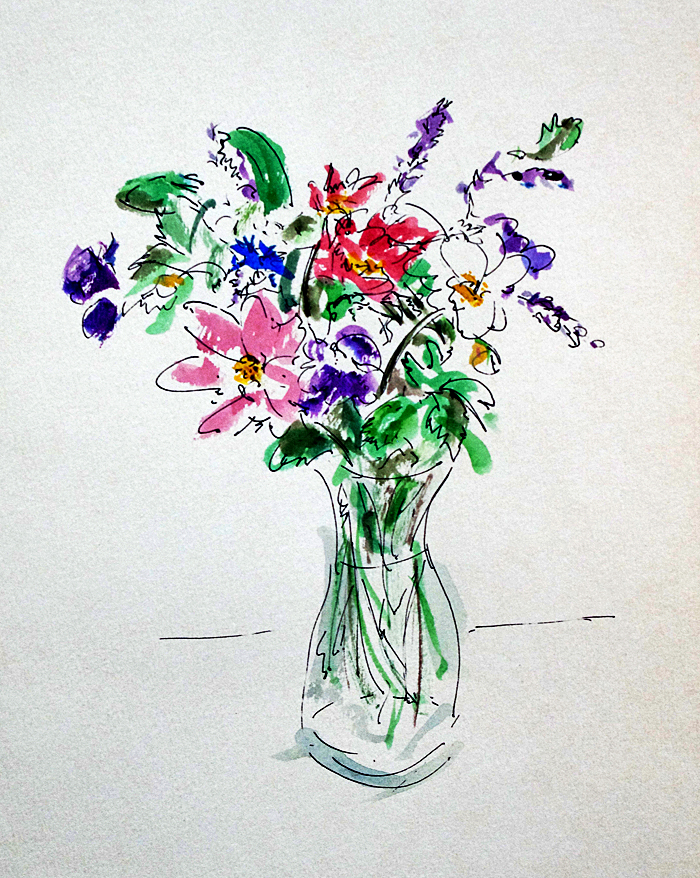
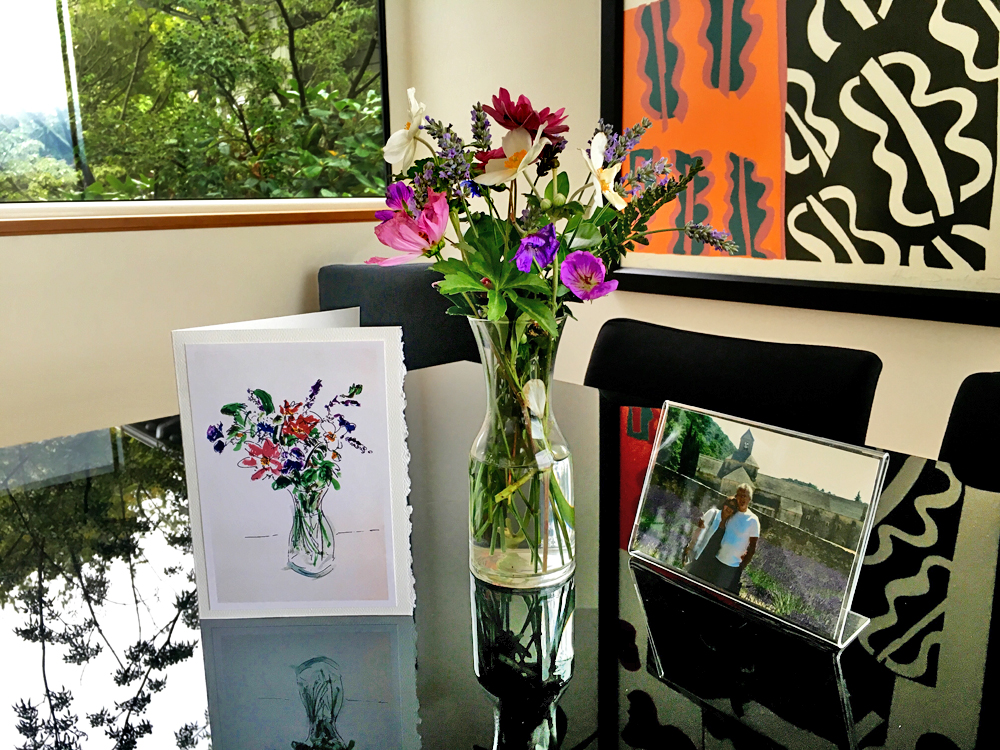
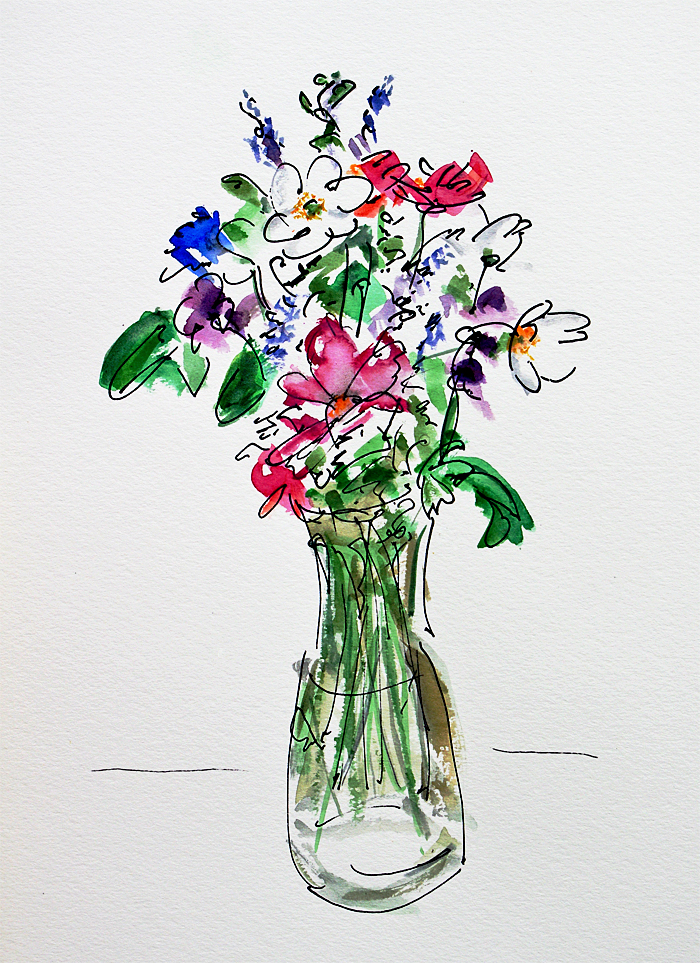
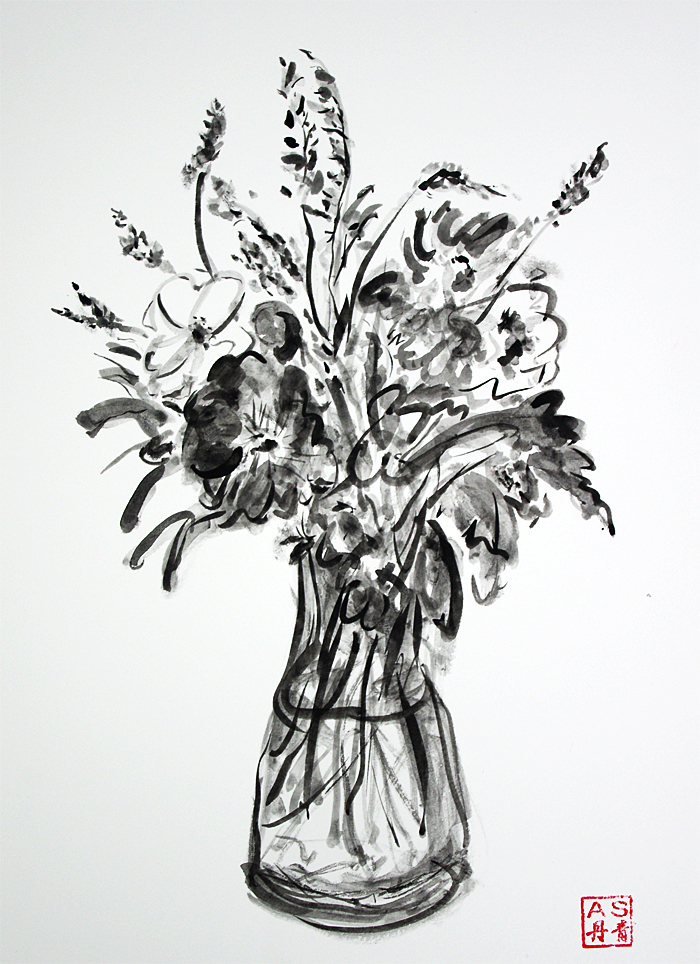
bouquet from the imagination I 17.9.16

bouquet-17-ii

bouquet from the imagination II 17.9.16

bouquet-17-i

I’m beginning to think the Gift of the Four Treasures has magical properties.

Here and Now: Part Two

Discover Challenge: Here and Now

“Choose a moment and capture it in the medium of your choice.”

This week’s Discover Challenge from the Daily Post is all about being in the moment. After Here and Now: Part One, and having introduced you to the Gift of the Four Treasures earlier this month, today in another over my shoulder video, Here and Now: Part Two continues to be very much in the moment as the painting from Part One begins to appear thanks to those beautiful treasures.


over my shoulder VII – Here and Now

If you would like to see more of my over the shoulder videos you will find their links here on From Yardwork to Arwork: The Photinia Story Part Three.

The Gift of the Four Treasures: Part One

i

The First Treasure from the Gift of the Four Treasures

Last week I received a beautiful gift from a very special person who has returned home to Vancouver from China to complete her studies. Her surprise gift to me from Beijing could not have been more perfect and timely, as I have fallen in love working again with ink and watercolour as those of you who follow my blog know well.

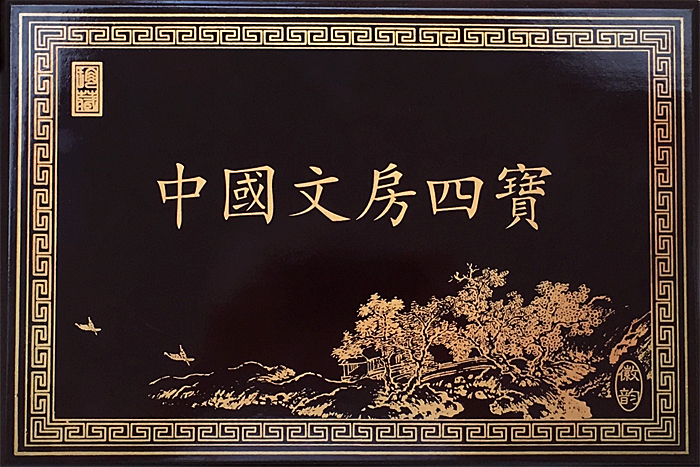
The gift has also introduced me to a piece of Chinese culture and history with which I was not familiar and which I would like to share with you today: The Four Treasures of the Study, which is the translation of the Chinese characters on the top of the presentation box.
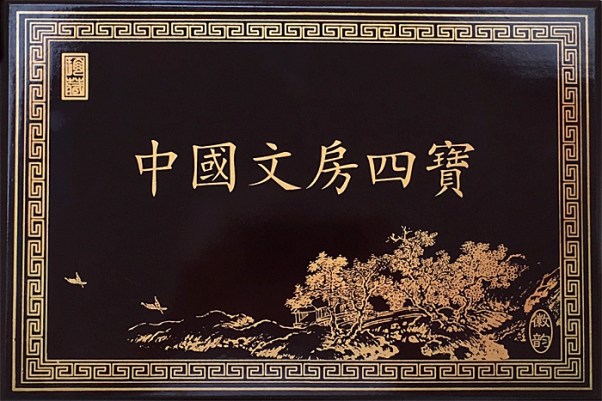
xiii

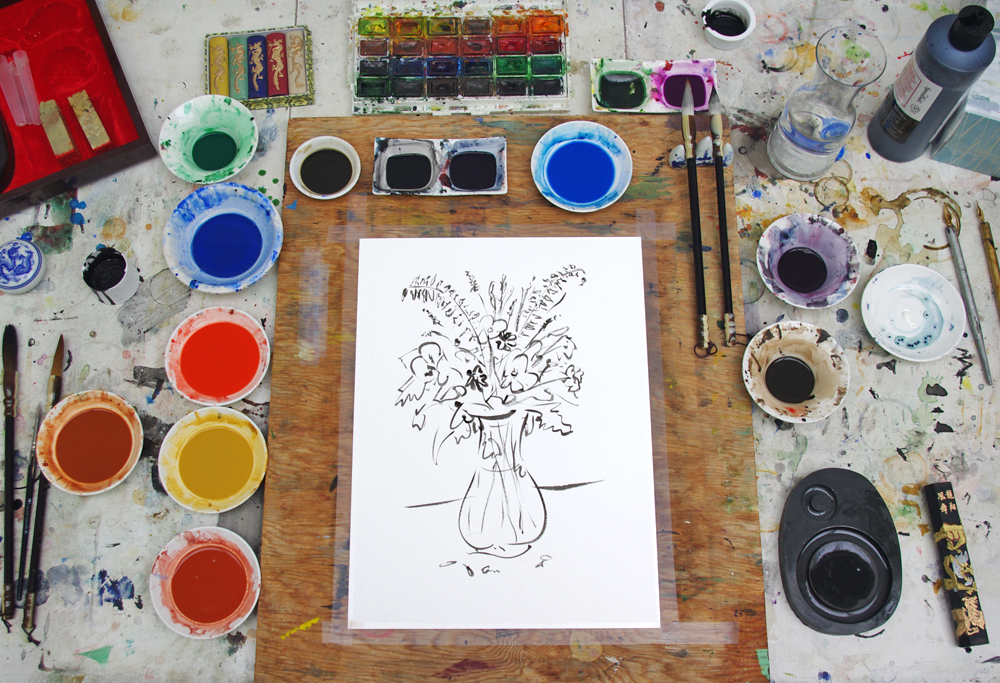
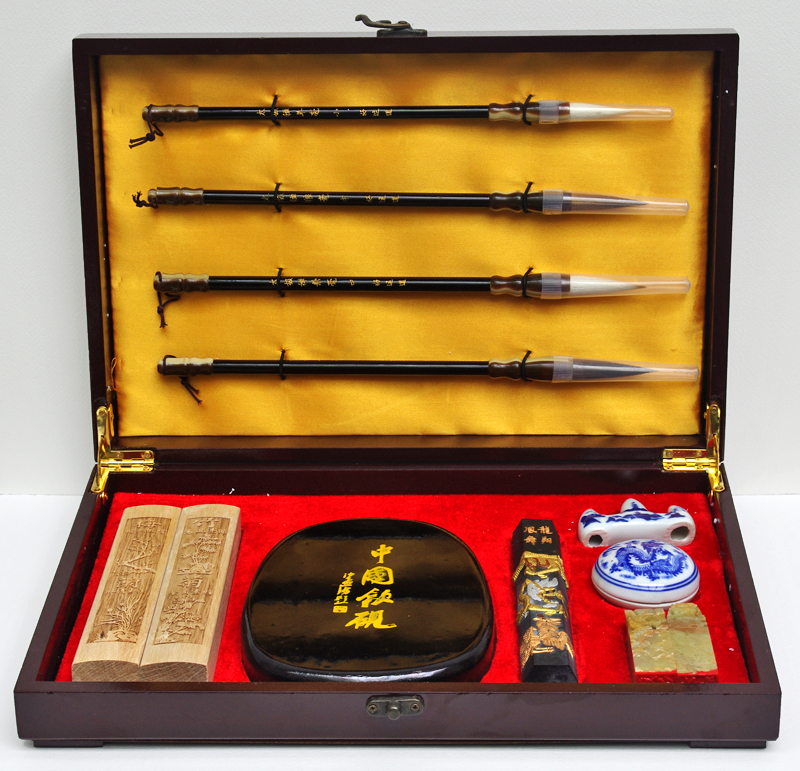
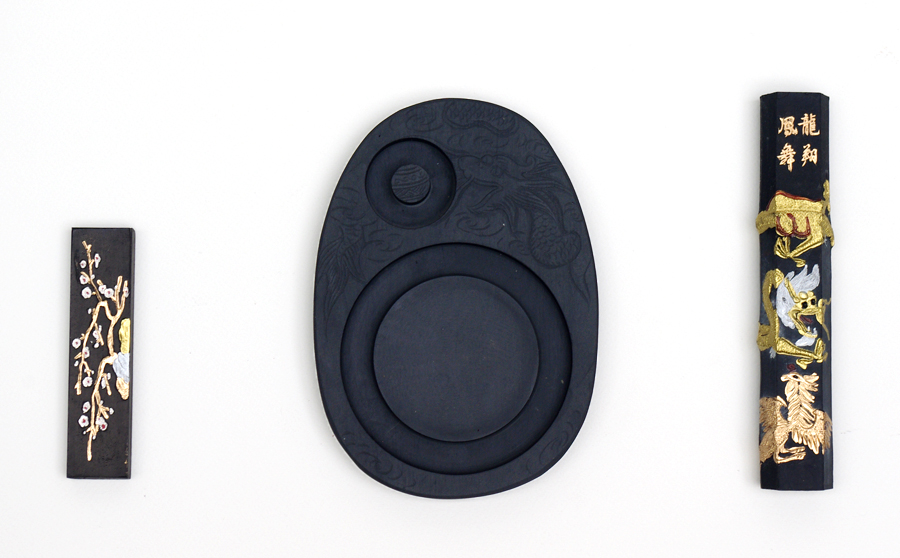
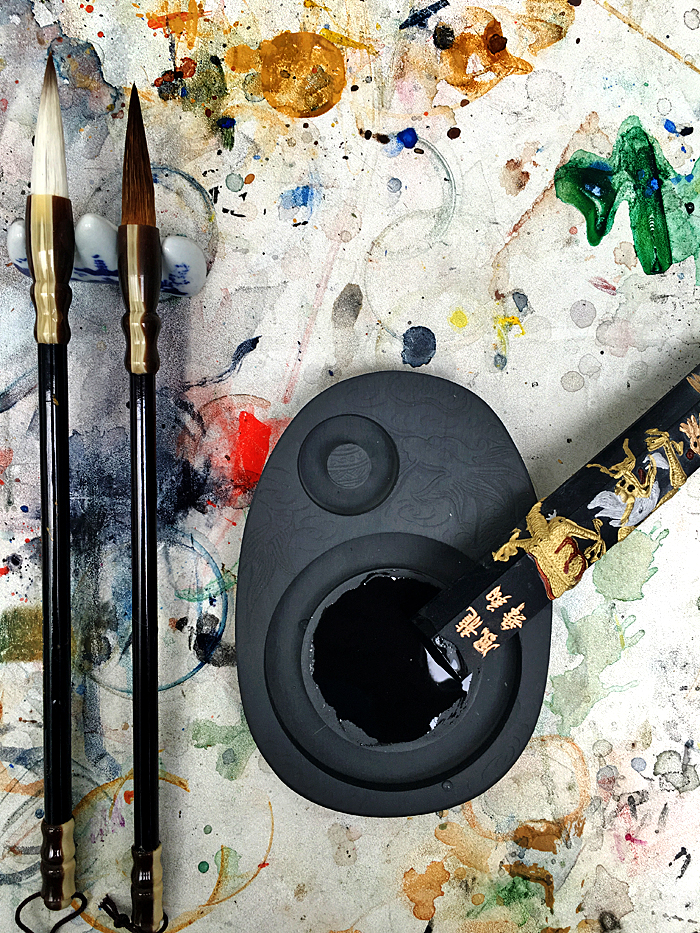
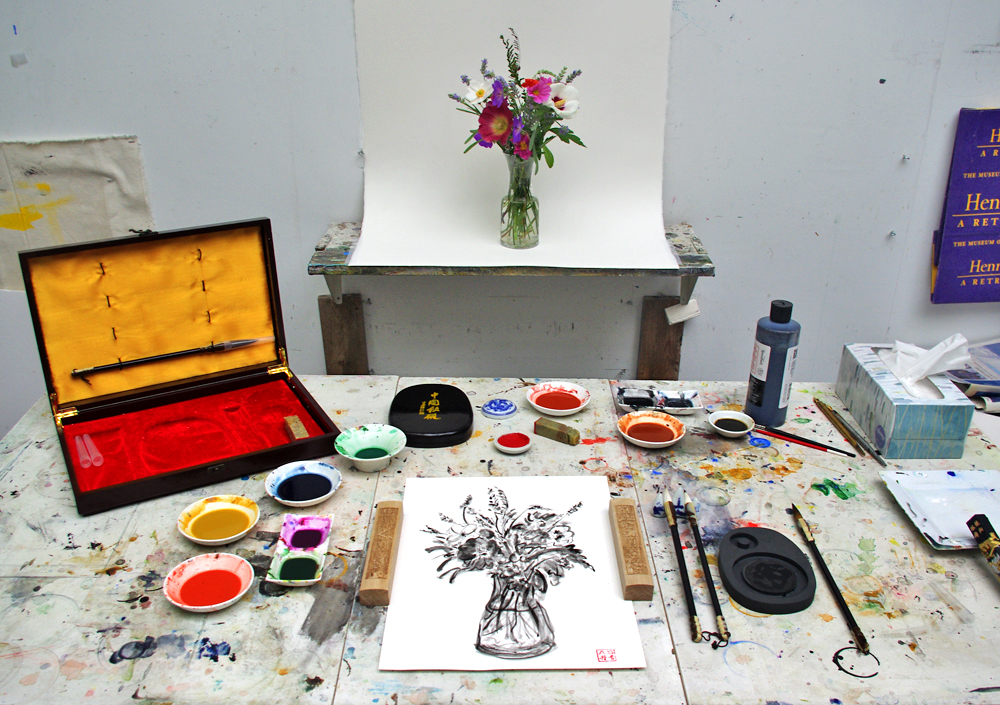
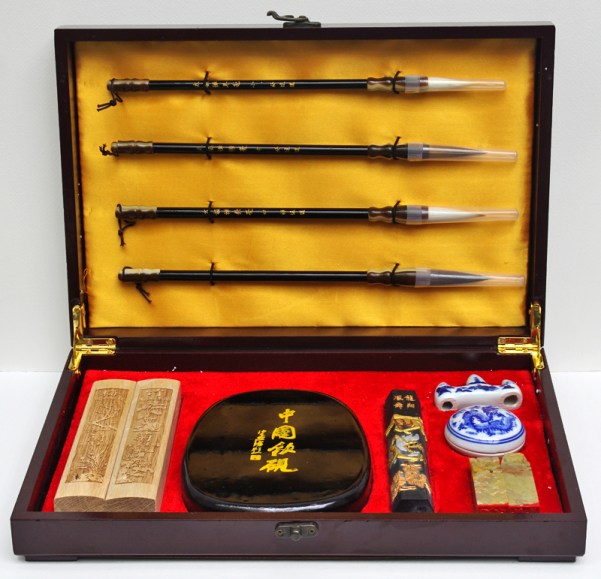
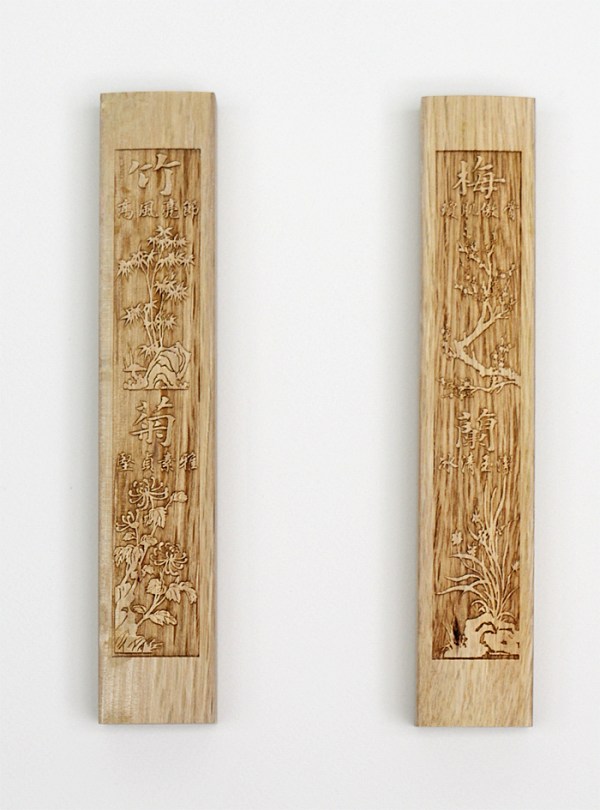
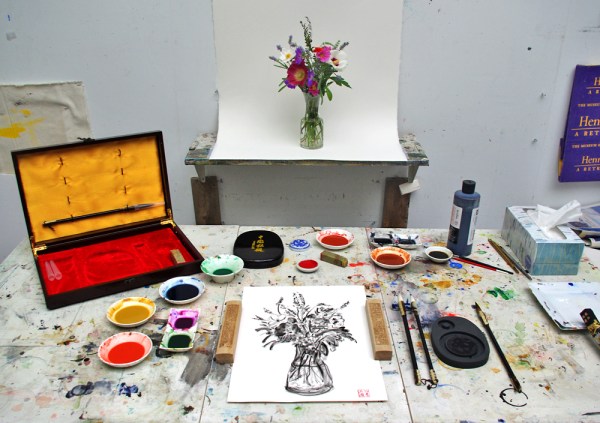
When I opened the box here were the Treasures of the Study beautifully displayed: brushes, ink, inkstone and carved paper weights representing paper and used to hold the paper down.
ii

This discription of the Four Treasures, and others to follow, are from the China Online Museum:

“Four Treasures of the Study (文房四宝 wén fáng sì bǎo) is an expression used to refer to the ink brush, inkstick, paper and inkstone used in Chinese calligraphy and painting. The name stems from the time of the Southern and Northern Dynasties (420-589 AD). Brushes and ink are two of the legendary “Four Treasures of the Study” tools of Chinese calligraphers, painters and poets over thousands of years. The other vital elements of culture are the rice paper (zhi), and the inkstone (yan) for grinding the solidified inksticks.”

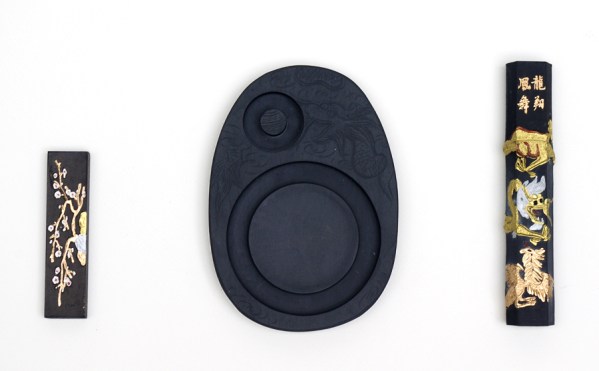
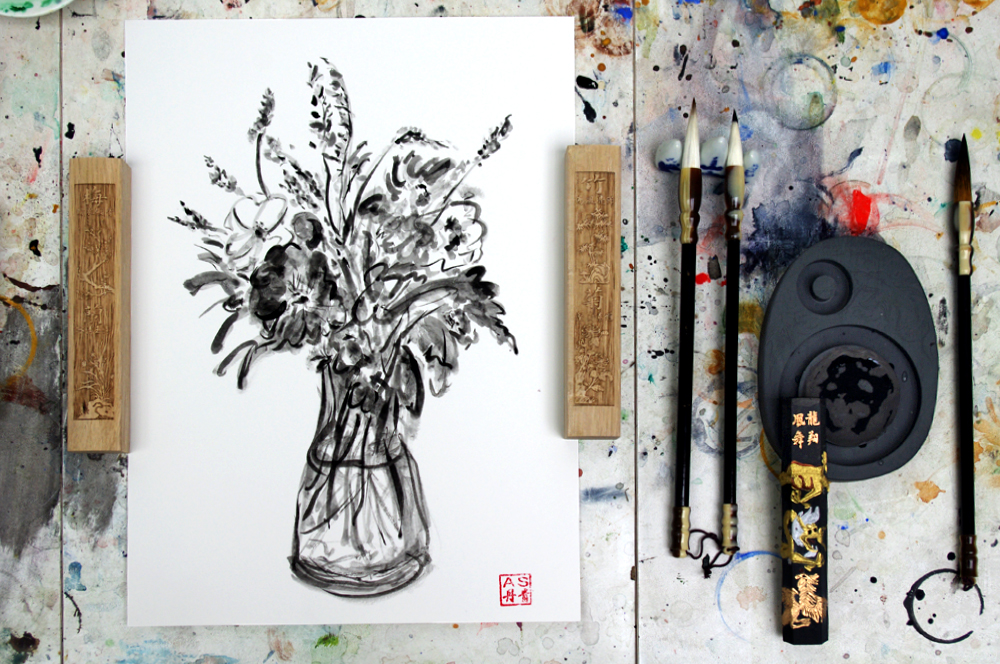
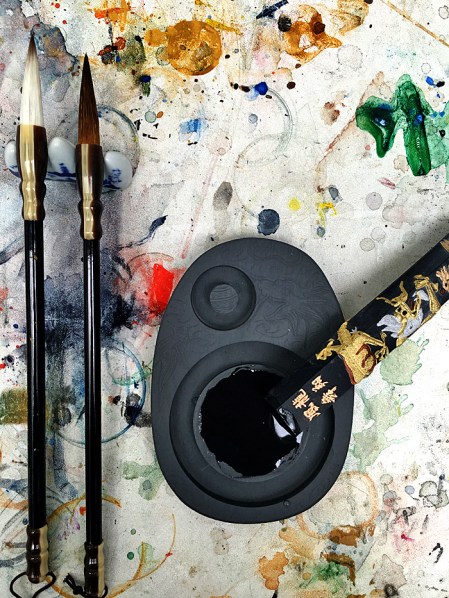
Here you can see the inkstone and inks in greater detail.  The larger ink stick has two engravings on its surface, a dragon and a phoenix. The second and smaller stick has an orange blossom motive.viii

“The ink (mo) is commonly made by burning pine or another wood in an earthenware container, mixing dense ash with glue, and compressing it into an ink stick, or another form. An unusual antique piece of ink is shaped like a ruyi, a scepter tribute offering, that conveys wishes for happiness and good fortune. After shaping, it takes about two years for the ink to dry, in a totally dry and dark environment.”
xi

“An inkstone is literally a stone mortar for the grinding and containment of ink. Traditional Chinese ink is usually solidified into sticks for easier transport and preservation. Water is usually kept in a ceramic container and sprinkled on the inkstone, which has a generally flat surface. The inkstick would be ground with the flat surface of the inkstone. By mixing ink with different amounts of water, the calligrapher or artist can create different densities and innumerable shades of black and gray.”

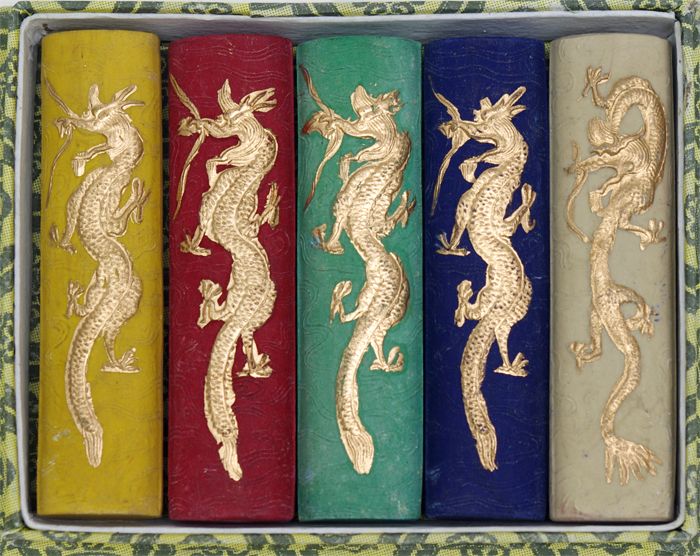
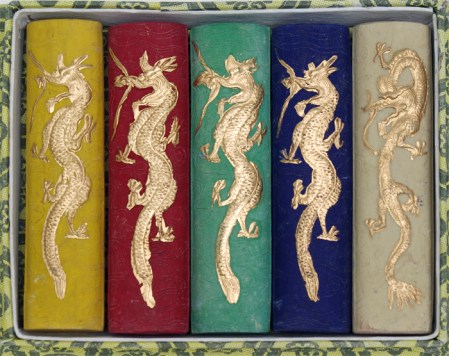
An additional box of five different coloured inks was included with the gift, each with a dragon motif once again.
vi

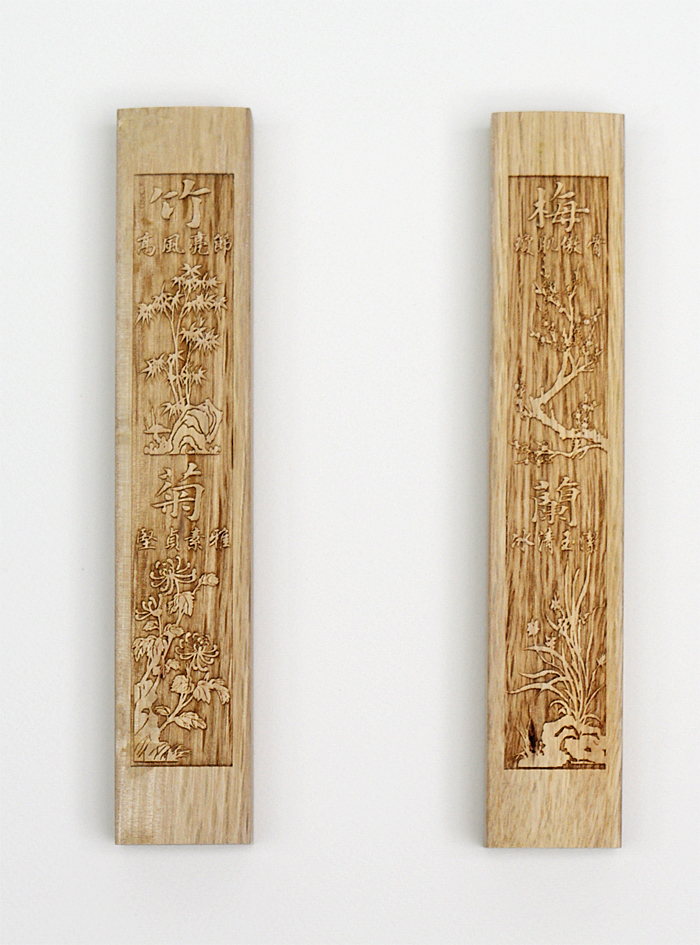
The beautifully carved paper weights have engraved into the wood, bamboo, chrysanthemums, cherry blossoms and orchids
vii

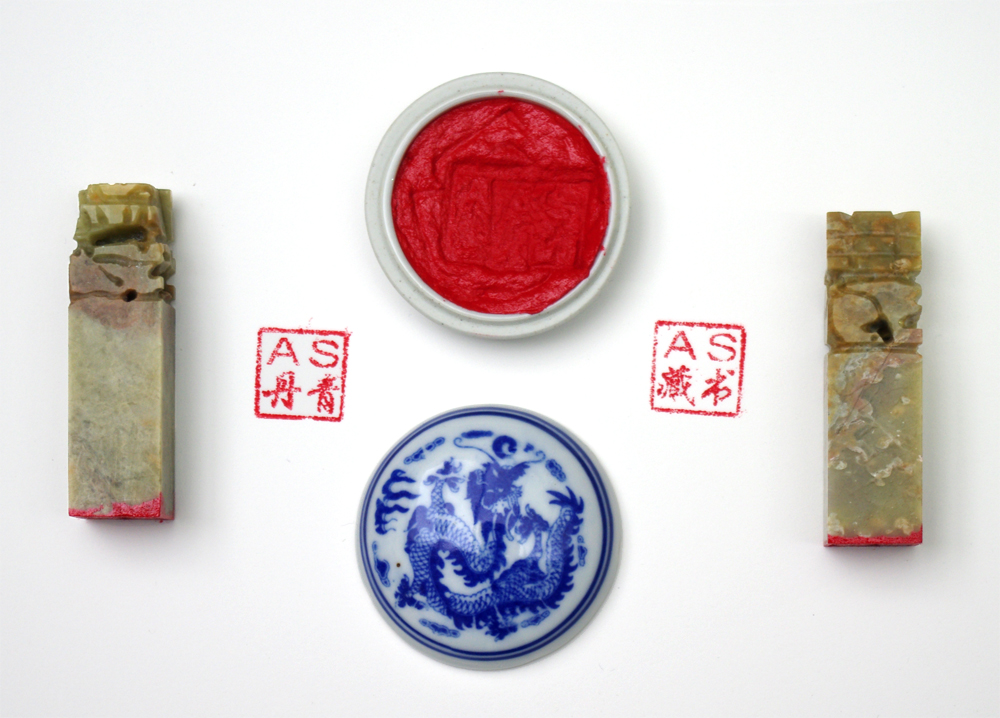
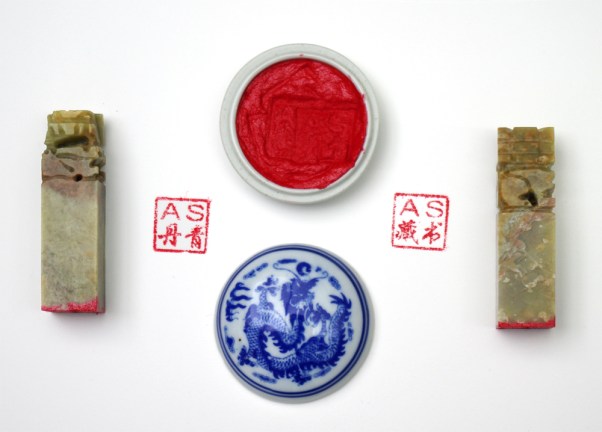
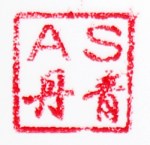
These carved ink seals were specially made for me, one for my library books and the other for my paintings. How lucky am I?
ix

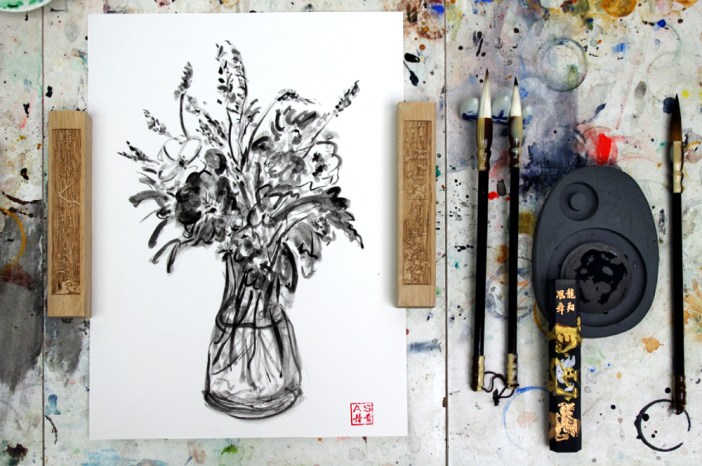
As you can imagine I was eager to begin using the Treasures, to grinding the ink and to letting the brushes sing and dance across the paper, and what better way to start than with the bouquet I had picked from the garden and posted on the First of September.
iv

“The traditional brush (bi) can be traced back to the neolithic age, but became recognized during the Warring States Period, in 476 to 221 BC. It was improved by Meng Tian, a general of the Qin Dynasty, in 221 to 206 BC. Brushes are made of animal hair, usually attached to a bamboo stick. Various kinds of animal hair were once used, like goat, ox, rabbit, sheep, marten, badger, deer, wolf, each having certain properties. They can be categorized by their size: large, medium and small; and also by the strength: soft (usually taken from goat), medium (taken from rabbit, or a mixture of goat and weasel hair) and hard or stiff (taken from weasel tail). Hair of different animals can be combined to create different textures.”
iii

Thank you Charmaine for this beautiful gift, which I will treasure always.

This First Treasure is for you.
xii

I am Orlando

Orlando

Last year I was Charlie and then Paris, today I am Orlando, and once again find myself needing to express my solidarity and sympathy through the best way I know how with all those mourning today in Orlando, in the United States and around the world and particularly with all those in the LGBT community.

From Yardwork to Artwork: The Photinia Story Part Three

branch iv

branch lines I 6.6.16

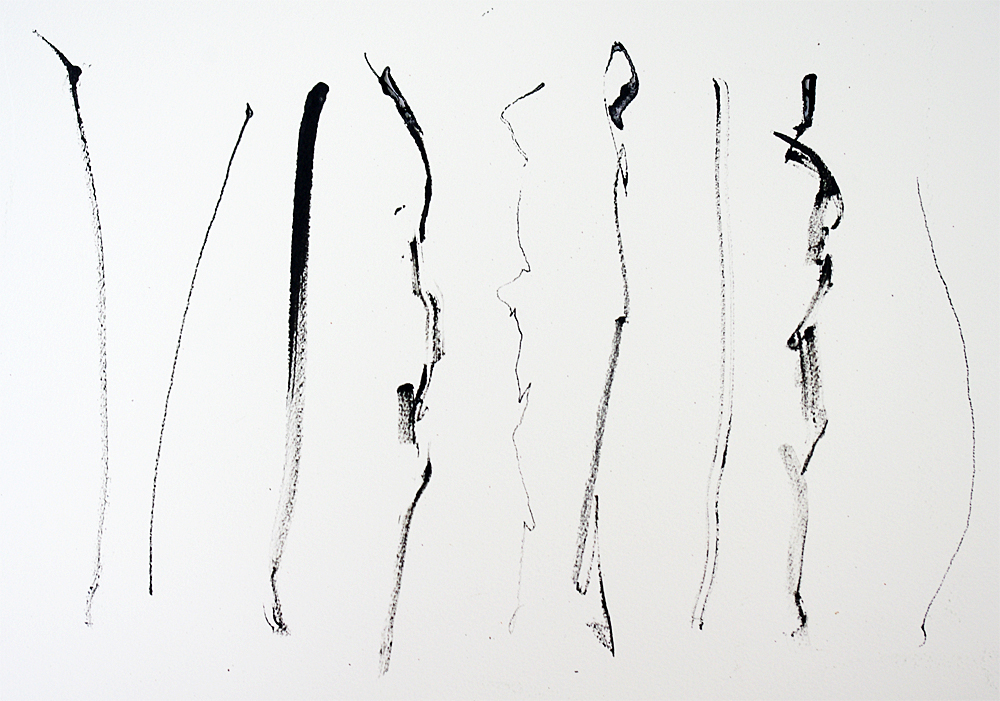
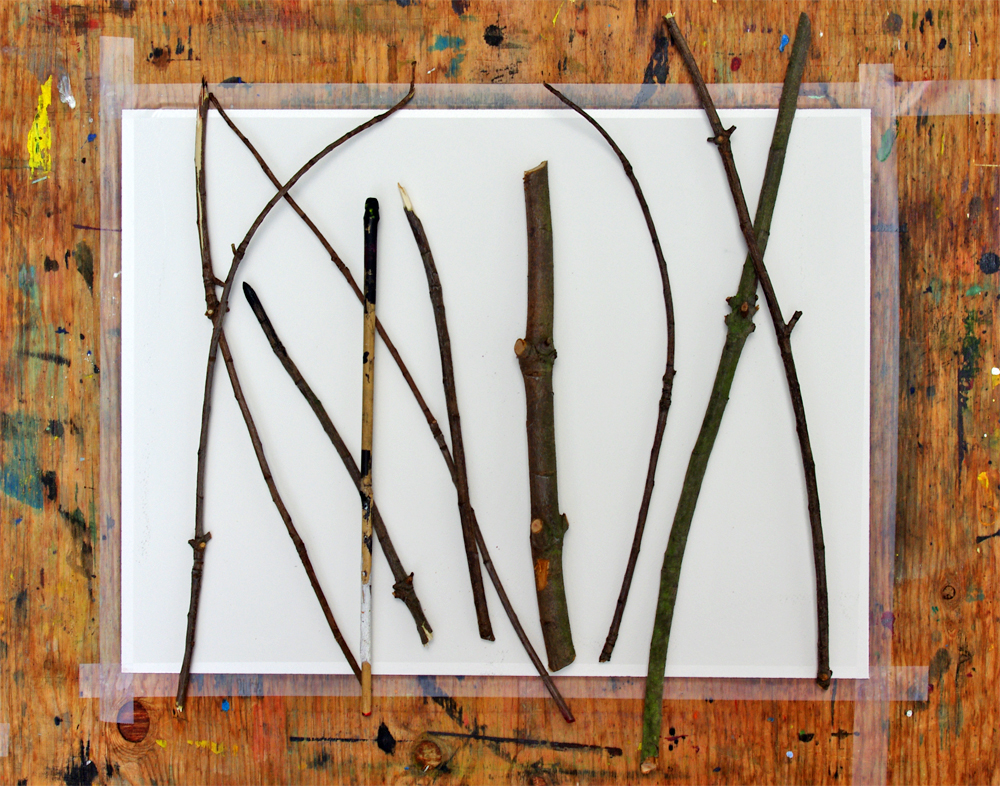
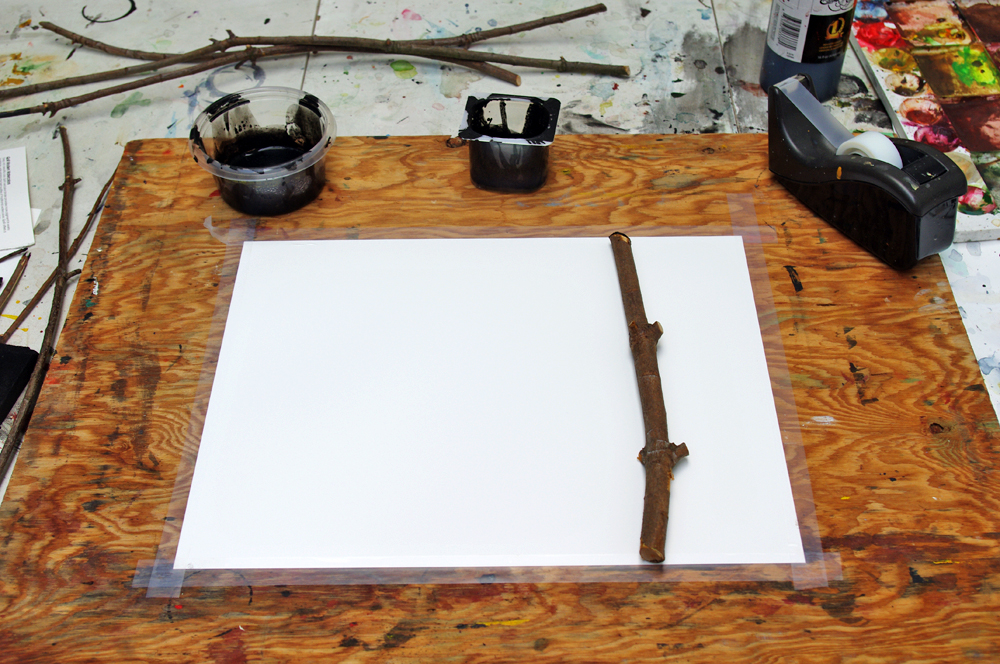
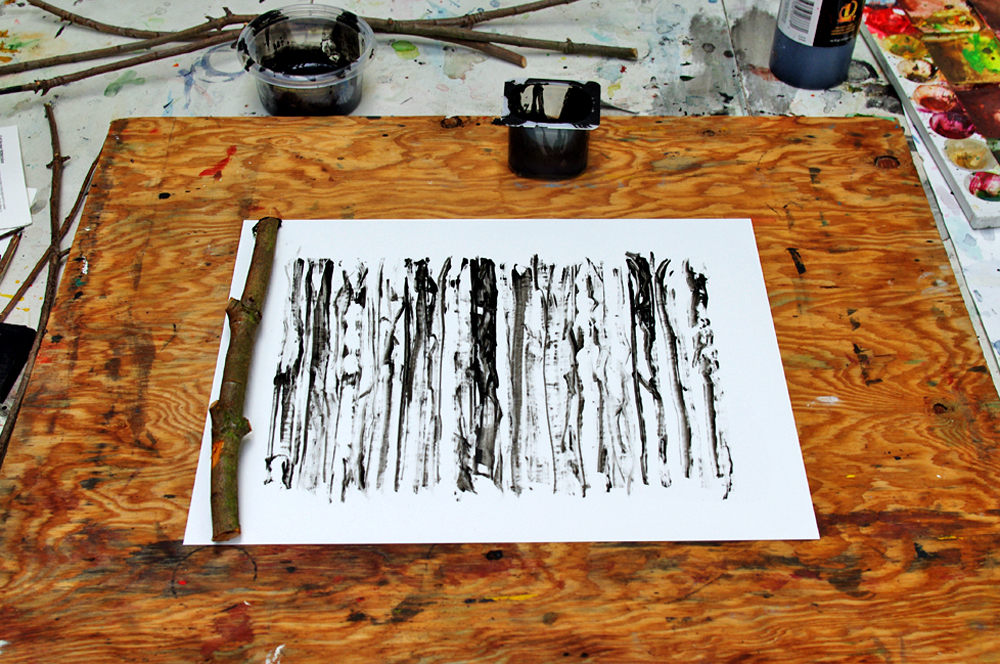
After the success of From Yardwork to Artwork: The Photinia Story Part One and Part Two,  today Part Three will feature the photinia branches themselves that I have discovered make such versatile drawing tools.

branch v

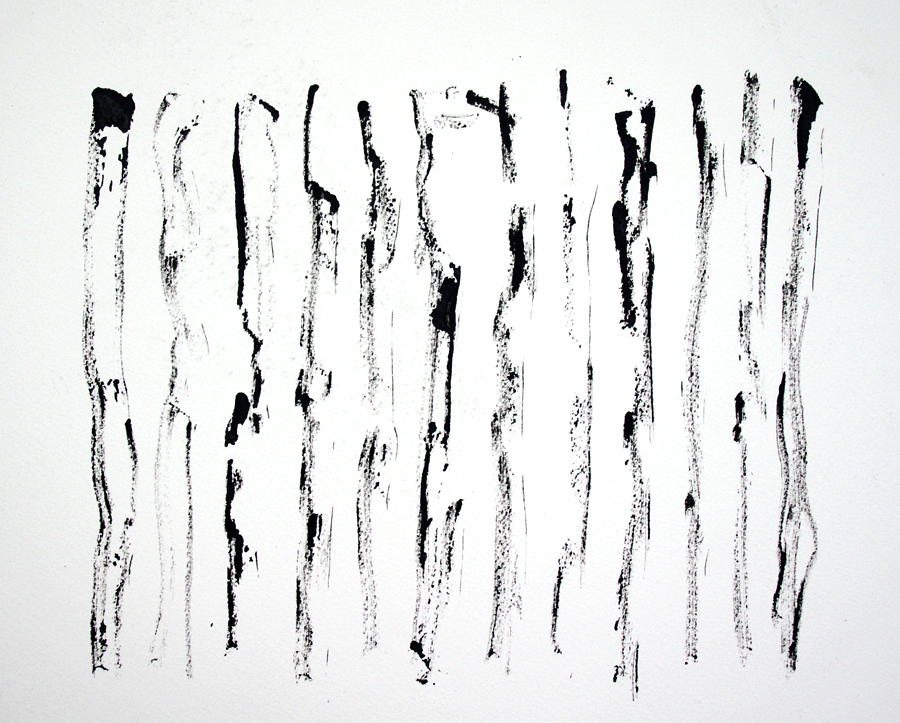
One branch in particular has become a favourite as it takes on so many roles as you will see in the video later in the post.  The wonderful marks it can make depend on so many factors. They can be either broad or fine depending on the angle at which it is being held it, and opaque or transparent depending on the pressure exerted. Plus the extra bonus is the frottage that the underlying wood of the drawing board produces within the lines themselves.

I think I’ll let the bough take a bow.

branch x

Why not find your own branch, buy some drawing ink and paper, and make your own branch lines. Let me know how it goes.

branch viii

branch lines II 6.6.16

branch ii      branch iii

branch ix

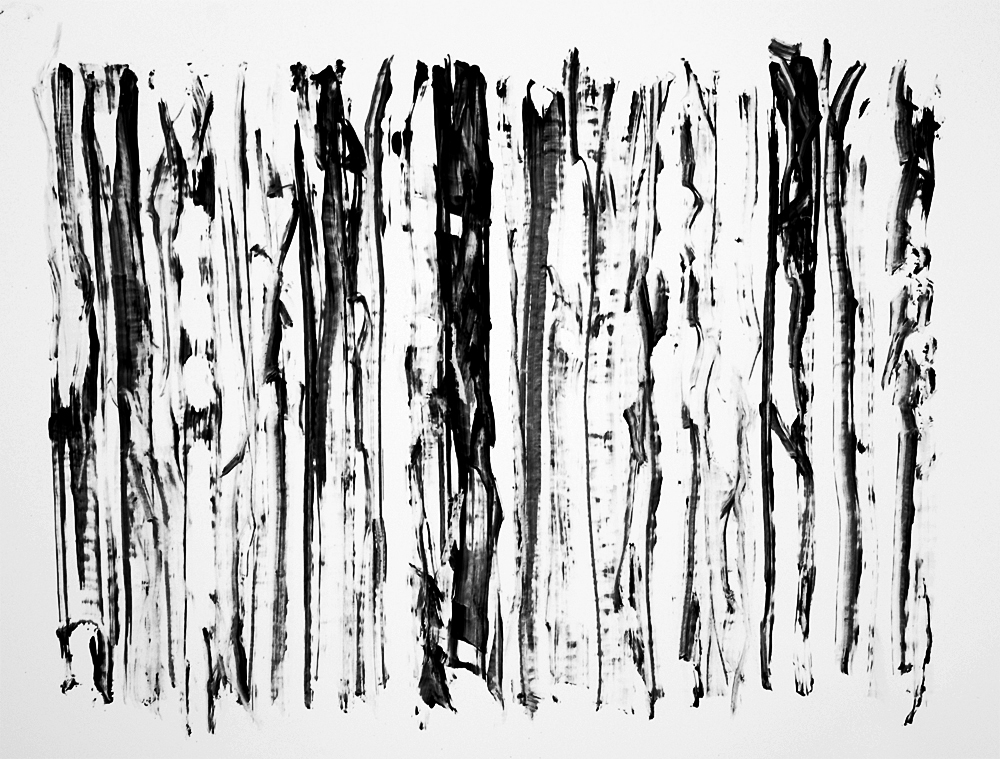
branch lines III 7.6.16

over my shoulder IV – the making of branch lines III

If you would like to see more over my shoulder videos here are the links:

over my shoulder I

over my shoulder II

over my shoulder III

Life Imitates Art

The texture of the lines reminded me of figure drawings of mine from over thirty years ago, which I have now taken out from a drawer in the studio and pinned to the studio wall. Here’s a sneak preview of what’s coming next.

figures i

Finally, I’m linking today’s post to this week’s Discover Challenge: Origin Story for two reasons.

First, The Photinia Story Parts One, Two, and Three are all about the origin of an image and the story behind how it is created.

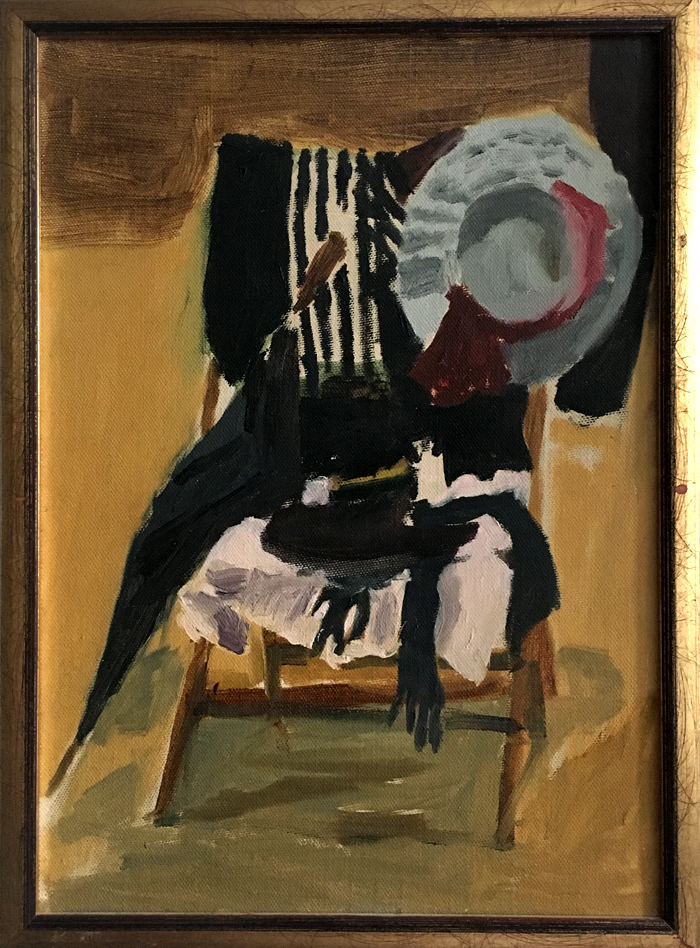
Second, and the main reason with Father’s Day so close at hand, is to dedicate this post to the memory of my late father who set me on the path of making art from a very early age. He was an amateur artist himself and this painting of his hangs proudly in my office at home. It is a constant reminder of the true gentle man that he was.

dad's

Thanks Dad